
Backpacks: The Ultimate Laundry Guide for Active Lifestyles

Backpacks have become essential gear for adventurers, athletes, and travelers who need reliable storage solutions that can withstand demanding conditions. Whether you're heading into the wilderness, embarking on international travel, or commuting to the gym, the right backpack serves as your mobile organization system.
However, choosing the perfect pack is only half the battle-maintaining it properly ensures your investment lasts for years of adventures. Understanding the relationship between your gear and proper care, particularly when it comes to fabric maintenance, makes all the difference in performance and longevity.
Selecting the Right Backpack for Your Activities
Choosing appropriate backpacks requires careful consideration of your specific needs and usage patterns. Different activities demand distinct features, and understanding these requirements prevents buyer's remorse.
Capacity and Size Considerations
Backpack capacity is measured in liters and determines how much gear you can carry comfortably. Day packs typically range from 15-30 liters, perfect for short hikes or daily commutes. Multi-day backpacks span 40-65 liters for weekend adventures, while expedition packs exceed 65 liters for extended wilderness trips.
Key capacity guidelines:
- Urban commuting: 15-25 liters
- Day hiking: 20-30 liters
- Weekend camping: 40-50 liters
- Extended expeditions: 60+ liters
Your torso length matters more than overall height when fitting backpacks. Most quality manufacturers offer multiple sizes to accommodate different body types, ensuring weight distribution remains balanced during extended wear.
Material Quality and Durability Features
Modern backpacks utilize various materials, each offering distinct advantages. Nylon fabrics provide excellent strength-to-weight ratios, while polyester offers superior UV resistance. Denier count indicates fabric thickness-higher numbers mean more durable but heavier materials.
| Material Type | Denier Range | Best For | Durability |
|---|---|---|---|
| Ultralight Nylon | 70-210D | Fast-packing, minimalist travel | Moderate |
| Standard Nylon | 420-600D | General hiking, daily use | High |
| Heavy-Duty Polyester | 600-1000D | Rugged terrain, commercial use | Very High |
| Ripstop Fabrics | 200-400D | Balance of weight and strength | High |
Water resistance varies significantly across models. Some backpacks feature DWR (durable water repellent) coatings, while others incorporate waterproof liners or require separate rain covers.
Specialized Backpacks for Different Adventures
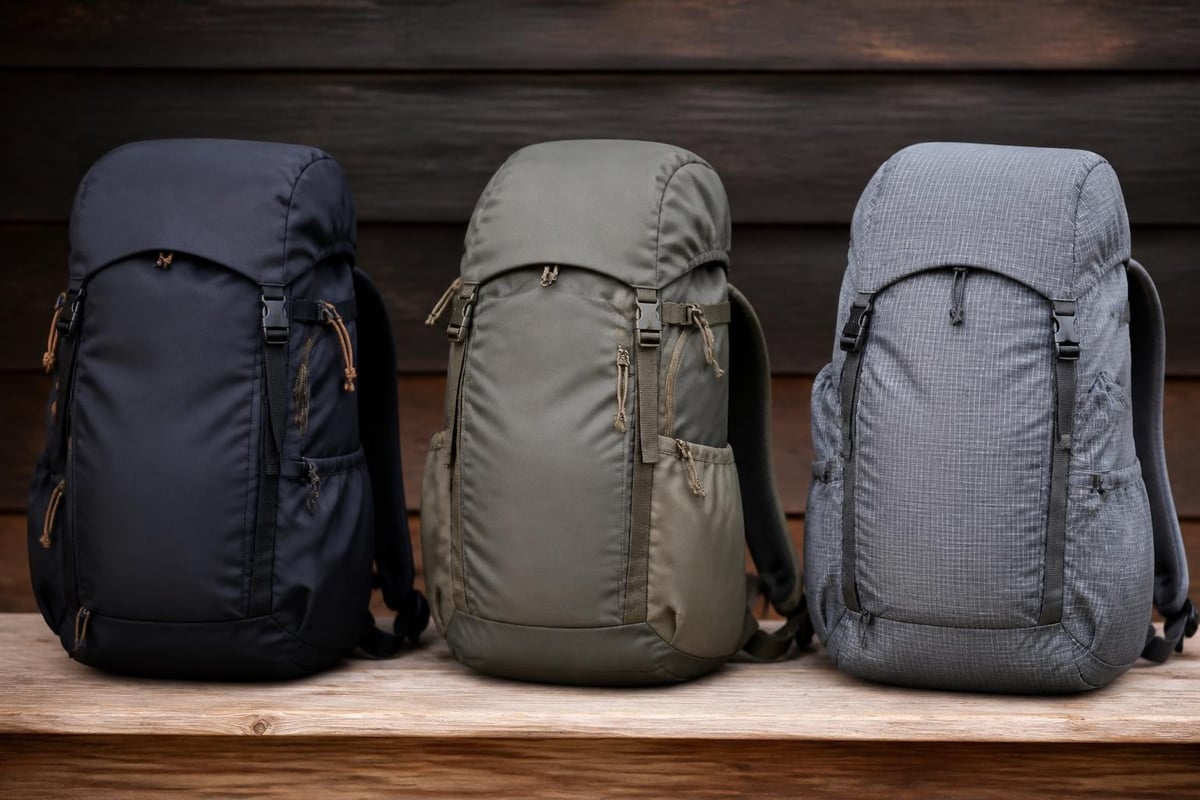
Different outdoor pursuits require specialized pack designs that optimize comfort and functionality for specific activities.
Hiking and Trekking Backpacks
Trail-ready backpacks incorporate features that enhance wilderness experiences. Ventilated back panels reduce perspiration buildup during strenuous climbs, while integrated hydration sleeves keep water accessible without removing your pack.
Load-lifter straps pull weight closer to your shoulders, improving balance on uneven terrain. Hip belts transfer approximately 80% of pack weight to your hips, relieving shoulder strain during extended hikes. Quality trekking backpacks include multiple access points, allowing you to retrieve gear without unpacking everything.
Athletic and Training Backpacks
Athletes require backpacks designed for frequent transitions between gym, field, and home. These specialized packs feature ventilated compartments that isolate sweaty gear from clean clothing and electronics. Many athletic backpacks incorporate specialized pockets for shoes, water bottles, and even laptops.
The best laundry detergent for athletes becomes crucial when your backpack regularly transports workout clothes and sports equipment. Moisture-wicking fabrics in modern packs help reduce odor buildup, but proper cleaning remains essential.

Travel and Urban Commuter Packs
Travel-oriented backpacks prioritize security and organization for international adventures. Anti-theft features include lockable zippers, hidden pockets, and slash-resistant materials. Laptop compartments with dedicated padding protect valuable electronics during transit.
Convertible backpacks transform into briefcases or duffel bags, offering versatility for business travel. TSA-friendly designs allow airport security screening without removing laptops, streamlining checkpoint experiences.
Proper Backpack Maintenance and Care
Extending your backpack's lifespan requires consistent maintenance and proper cleaning techniques. Neglecting care leads to premature wear, persistent odors, and compromised waterproofing.
How to Wash a Backpack with Laundry Labs
Before washing your backpack, always check its care label. Backpacks with leather details, waterproof coatings, internal frames, or structured padding may require hand-cleaning instead of machine washing.
If the backpack is machine-washable, follow these steps:
-
Empty every compartment. Shake out crumbs and debris, then vacuum inside pockets and along seams.
-
Remove detachable parts. Take out frames, hip belts, straps, and removable inserts when possible.
-
Pre-treat visible stains. Gently blot stains with water and a fabric-safe stain treatment. Never rub a PowerPax™ capsule directly onto the material.
-
Protect the backpack. Open the pockets, secure loose straps, and place the backpack inside a mesh laundry bag or pillowcase to prevent snagging.
-
Add Laundry Labs PowerPax™. Place one capsule directly inside the empty washing-machine drum before adding the backpack. Choose Athletic PowerPax™ for backpacks exposed to sweat and stubborn odors, or Free & Clear PowerPax™ for school bags and sensitive households.
-
Select a gentle cycle. Wash with cold or lukewarm water according to the backpack’s care instructions. Avoid bleach and fabric softeners, which may damage technical fabrics and protective coatings.
-
Air-dry completely. Reshape the backpack and hang it upside down with every compartment open. Keep it away from direct sunlight and never place it in the dryer unless the care label specifically allows it.
If the backpack is labeled “hand wash only,” follow the manufacturer’s instructions and avoid placing it in the washing machine. Allow every section to dry completely before using or storing the bag to prevent mildew and lingering odors.
Odor Control and Fabric Care
Athletic backpacks face particular challenges with odor retention, especially when transporting sweaty clothing and equipment. The science behind laundry fragrance reveals how molecular compounds interact with synthetic fabrics commonly used in pack construction.
Between deep cleanings, several strategies minimize odor buildup:
- Remove damp items immediately after workouts
- Use moisture-absorbing packets in frequently used compartments
- Allow packs to air out completely before storage
- Wipe down interior surfaces with diluted vinegar solutions
- Store with compartments unzipped in dry environments
For persistent odors in athletic gear, eco-friendly laundry solutions that combine multiple functions prove particularly effective. Products designed for athletic wear address both cleaning and odor elimination without harsh chemicals that degrade technical fabrics.

Technical Features That Enhance Performance
Modern backpacks incorporate innovative features that significantly improve user experience across various conditions and activities.
Suspension Systems and Load Distribution
Advanced suspension systems separate pack contents from your back, creating airflow channels that reduce perspiration. Trampoline-style mesh panels provide maximum ventilation for hot-weather hiking, while tensioned fabrics balance breathability with load stability.
Adjustable torso lengths accommodate different body types within a single pack model. This customization ensures proper weight distribution regardless of your height, preventing the back pain associated with poorly fitted backpacks.
Organization and Accessibility Features
Strategic compartmentalization transforms backpacks from simple storage bags into efficient organizational systems. Top-loading designs offer maximum capacity but limited mid-hike access. Panel-loading backpacks open like suitcases, providing visibility and accessibility for all contents.
External attachment points expand carrying capacity for specialized gear. Daisy chains, lash tabs, and compression straps secure trekking poles, sleeping pads, and other bulky items outside main compartments. Ice axe loops and ski attachments cater to winter sports enthusiasts.
Specialized Gear and Backpack Compatibility
Understanding how backpacks integrate with other outdoor equipment optimizes your overall system efficiency and comfort during extended adventures.
Camping and Overnight Equipment
Multi-day backpacks must accommodate sleeping bags, tents, cooking equipment, and food supplies. Bottom compartments with separate access points work perfectly for sleeping bags, keeping them isolated from potentially wet gear. Bear canisters require specific pack volumes and shapes for proper interior storage in bear country.
For those venturing into remote areas where firearms are carried for protection or hunting, proper integration with your pack system matters significantly. Companies like RCS Outdoors provide specialized equipment that requires thoughtful consideration when selecting backpack configurations and attachment systems.
Marine and Fishing Applications
Water-based adventures demand backpacks with enhanced water resistance and specialized organizational features. Fishing expeditions require compartments for tackle boxes, reel cases, and catch storage. Kayakers and paddlers need dry bags that integrate seamlessly with their packs.
For serious fishing enthusiasts, quality gear extends beyond the backpack itself. Action Outdoors Limited offers comprehensive marine equipment that pairs well with appropriate pack systems designed for waterfront activities. Protecting your investment means choosing packs with properly sealed seams and waterproof materials.
Power Solutions for Extended Trips
Modern outdoor enthusiasts rely on electronic devices for navigation, communication, and safety. Extended wilderness trips require portable power solutions that integrate with backpack systems. Solar panel attachments convert sunlight into usable energy during daylight hours.
Battery packs and portable power stations provide essential backup power for multi-day expeditions. Pecron manufactures reliable portable power stations that outdoor adventurers trust for consistent electrical supply in remote locations. Selecting backpacks with dedicated electronics compartments and cable management systems streamlines power distribution.
Environmental Considerations and Sustainable Choices
Conscious consumers increasingly prioritize sustainability when selecting outdoor gear, recognizing that environmental stewardship extends beyond the trail itself.
Eco-Friendly Materials and Manufacturing
Several manufacturers now produce backpacks from recycled materials, including reclaimed ocean plastics and repurposed industrial fabrics. These sustainable options perform comparably to virgin materials while reducing environmental impact.
Bluesign-certified fabrics meet stringent environmental and safety standards throughout manufacturing processes. These certifications ensure minimal water pollution, reduced chemical usage, and safer working conditions for factory employees.
Longevity and Repair Culture
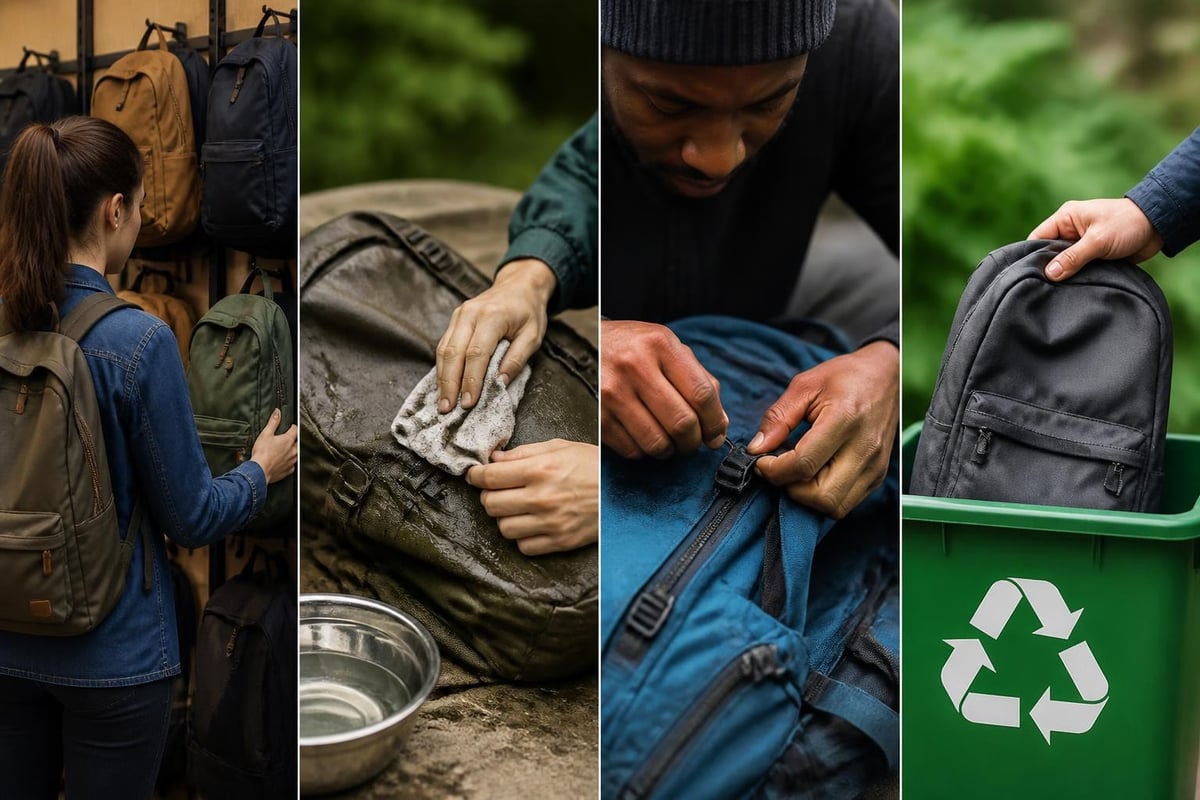
The most sustainable backpack is one that lasts decades rather than seasons. Quality construction, reinforced stress points, and replaceable components extend functional lifespans significantly. Many premium manufacturers offer lifetime warranties and repair services, encouraging users to fix rather than discard damaged packs.
Learning basic repair skills empowers backpack owners to address minor issues immediately:
- Patching small tears with repair tape or fabric patches
- Replacing broken buckles with field-repairable hardware
- Re-sealing seams with seam sealant for waterproofing
- Tightening loose straps and adjusting fit systems
Packing Strategies for Maximum Efficiency
Proper packing techniques transform even basic backpacks into highly efficient carrying systems that enhance comfort and accessibility during adventures.
Weight Distribution Principles
Strategic weight placement significantly impacts comfort during extended carry periods. Heavy items belong close to your back and centered between shoulder blades. This positioning maintains your natural center of gravity, reducing strain.
Optimal weight distribution:
- Bottom section: Sleeping bag, lightweight items, rarely accessed gear
- Core section: Heavy items (food, water, cooking equipment) against back panel
- Top section: Medium-weight frequently accessed items
- External pockets: Water bottles, snacks, rain gear, maps
Compression straps cinch loads tighter to your body, preventing shifting during movement. Loose loads create unstable centers of gravity, increasing fatigue and injury risk on challenging terrain.
Activity-Specific Organization Systems
Different activities require customized packing approaches. Day hikers prioritize quick access to water, snacks, and weather protection. Multi-day trekkers organize by day, keeping each evening's necessities readily available.
Athletic backpacks benefit from designated clean and dirty compartments. Separating fresh clothing from used workout gear prevents odor transfer and maintains organization. When returning from the gym, immediately removing damp items and treating them with appropriate eco-conscious detergent solutions prevents bacterial growth and fabric degradation.
Climate-Specific Backpack Considerations
Environmental conditions dramatically influence backpack selection and maintenance requirements across different climates and seasons.
Cold Weather and Winter Expeditions
Winter backpacking demands additional volume for insulated clothing, sleeping systems, and safety equipment. Cold temperatures make hydration system tubes vulnerable to freezing, requiring insulated sleeves or alternative water storage methods.
Snow and ice accumulation adds unexpected weight to external attachment points. Brush off accumulated snow regularly during winter hikes to prevent unnecessary load increases. Waterproofing becomes crucial as melting snow penetrates fabric more readily than rain.
Hot and Humid Environments
Tropical and desert conditions create unique challenges for backpack performance. Maximum ventilation becomes paramount as temperatures soar and humidity prevents effective evaporative cooling. Mesh back panels with suspended designs maximize airflow between pack and body.
Light-colored fabrics reflect solar radiation better than dark colors, reducing heat absorption during exposed travel. However, lighter materials may show dirt more readily, requiring more frequent cleaning cycles to maintain appearance and function.
Transitional Weather Preparation
Spring and fall present unpredictable conditions requiring versatile pack systems. Layering becomes essential as morning cold transitions to afternoon warmth. Easily accessible outer pockets should house jackets and rain gear for rapid weather response.
Pack covers protect contents during unexpected precipitation while maintaining accessibility to frequently used items. Integrated rain covers stow in dedicated pockets, deploying quickly when conditions deteriorate without requiring separate accessories.
Specialized Applications and Professional Use
Beyond recreational use, backpacks serve critical functions in professional contexts where reliability and specialized features prove essential.
Emergency Response and Medical Applications
First responders rely on backpacks designed for rapid access to critical equipment. Medical backpacks feature color-coded compartments, transparent pockets for quick inventory checks, and modular systems that adapt to different emergency scenarios.
MOLLE (Modular Lightweight Load-carrying Equipment) webbing allows customization through attachable pouches and accessories. This modularity ensures responders carry exactly what specific situations demand without excess weight or bulk.
Commercial and Industrial Uses
Delivery personnel, technicians, and field service workers require backpacks that protect tools and equipment while maintaining professional appearances. Reinforced bottoms prevent wear from repeated ground contact, while structured designs maintain shape under varied loads.
Laundry service providers and commercial facility managers face unique challenges maintaining cleanliness across large textile inventories. Commercial-grade laundry products designed for efficiency help professionals manage high-volume cleaning requirements while maintaining environmental standards.
Future Innovations and Technology Integration
The backpack industry continues evolving with emerging technologies that enhance functionality, comfort, and user experience across all applications.
Smart Backpack Features
Integrated technology transforms traditional backpacks into connected devices. Built-in USB charging ports draw power from internal battery packs, keeping devices charged during travel. GPS tracking prevents loss or theft by enabling location monitoring through smartphone applications.
Weight sensors and posture monitoring systems provide real-time feedback about load distribution. These technologies help users optimize packing strategies and maintain healthy carrying positions during extended use.
Advanced Material Development
Graphene-enhanced fabrics promise unprecedented strength-to-weight ratios while maintaining flexibility and comfort. Self-healing materials repair minor punctures and tears automatically, extending functional lifespans significantly.
Phase-change materials regulate temperature by absorbing excess heat during activity and releasing it during rest periods. These innovations promise enhanced comfort across varying environmental conditions without additional weight or bulk.
Selecting and maintaining quality backpacks enhances outdoor experiences while protecting your investment for years of adventures. Whether you're tackling wilderness trails, traveling internationally, or managing athletic equipment, proper care ensures optimal performance and longevity.
For those managing frequent gear transitions and athletic clothing, Laundry Labs offers eco-friendly solutions that effectively clean technical fabrics while maintaining their performance characteristics. Our specialized formulations tackle tough odors and stains common in outdoor and athletic gear, helping you keep your equipment fresh and ready for your next adventure.
