
Clean Sheets: Essential Guide to Fresh Bedding in 2026

The quality of your sleep environment directly impacts your health, productivity, and overall well-being. At the foundation of this environment lies something deceptively simple yet profoundly important: your bedding. Clean sheets represent more than just aesthetic appeal or fresh scents-they serve as a critical barrier between you and the accumulation of dead skin cells, body oils, dust mites, and environmental allergens that gather nightly. Understanding how to maintain pristine bedding through proper washing techniques, appropriate frequencies, and effective laundry solutions transforms this everyday necessity into a cornerstone of personal wellness and hygiene management.
The Science Behind Bedding Hygiene
Every night, the average person sheds approximately 15 million dead skin cells while sleeping. These cells, combined with sweat, body oils, and environmental particles, create an ecosystem within your bedding that requires regular attention. The microscopic world inhabiting unwashed sheets includes dust mites, bacteria, fungi, and other microorganisms that thrive in warm, moist environments.
Research indicates that dust mites and allergens accumulate rapidly in bedding, with populations doubling within just days under optimal conditions. These microscopic creatures feed on dead skin cells and produce waste products that trigger allergic reactions, asthma symptoms, and respiratory irritation in sensitive individuals.

Temperature and Pathogen Elimination
Water temperature plays a crucial role in achieving genuinely clean sheets. While cold water washing conserves energy and protects delicate fabrics, it may not effectively eliminate all microorganisms. Hot water washing at temperatures between 130°F and 150°F proves most effective at killing dust mites, bacteria, and other pathogens that colonize bedding materials.
Key temperature guidelines include:
- Cold water (60-80°F): Energy-efficient but limited pathogen elimination
- Warm water (90-110°F): Balanced approach for regular maintenance
- Hot water (130-150°F): Maximum sanitization for deep cleaning cycles
- Sanitize cycles (150°F+): Specialized settings for medical or allergy concerns
The choice between temperature settings should consider fabric composition, color fastness, and specific hygiene requirements. Modern commercial-grade laundry solutions are formulated to deliver exceptional cleaning performance across various temperature ranges, making it possible to achieve sanitization without always defaulting to hot water.
Optimal Washing Frequency Standards
Professional healthcare organizations and textile experts universally recommend washing bed linens weekly under normal circumstances. This frequency prevents the excessive accumulation of allergens while maintaining fabric integrity over extended periods. However, certain situations necessitate more frequent laundering to preserve hygiene standards and protect health.
Factors that require increased washing frequency include allergies, skin conditions, illness, night sweats, and pets sharing sleeping spaces. Individuals experiencing any of these conditions should consider washing their bedding every three to four days rather than adhering to the standard weekly schedule.
Seasonal Considerations
| Season | Recommended Frequency | Primary Concerns |
|---|---|---|
| Summer | Every 3-5 days | Increased perspiration, humidity, dust |
| Fall | Weekly | Seasonal allergies, transitional weather |
| Winter | Weekly | Indoor heating, reduced ventilation |
| Spring | Every 5-7 days | Pollen, allergens, temperature fluctuation |
Summer months present unique challenges for maintaining clean sheets due to elevated temperatures and increased perspiration during sleep. The combination of heat and moisture creates ideal conditions for bacterial growth and odor development, making more frequent washing essential during warmer periods.
Professional Laundry Solutions for Superior Results
The evolution of laundry technology has transformed how we approach bedding care. Traditional multi-step processes requiring separate detergent, fabric softener, and stain treatment products have given way to comprehensive formulations that address all aspects of fabric care simultaneously.
Modern capsule-based systems combine detergent, softener, stain treatment, and odor control in single-dose formats that eliminate measuring, reduce waste, and ensure consistent results. These innovations particularly benefit commercial environments where efficiency and reliability determine operational success.
Performance Characteristics of Advanced Formulations
Effective bedding care requires products that address multiple performance criteria simultaneously. Superior laundry solutions must dissolve completely regardless of water temperature, penetrate fabric fibers thoroughly, lift and suspend soil particles, neutralize odors at the molecular level, and rinse cleanly without leaving residue.
Essential performance attributes include:
- Complete dissolution: Prevents residue buildup on fabrics
- Enzyme activity: Breaks down protein-based stains and body oils
- Fragrance stability: Provides long-lasting freshness without overpowering scents
- Color protection: Maintains fabric vibrancy through repeated wash cycles
- Fabric conditioning: Softens fibers while preserving absorbency
The eco-friendly formulations available today demonstrate that environmental responsibility and cleaning performance are not mutually exclusive. Plant-based surfactants, biodegradable enzymes, and concentrated formulas reduce environmental impact while delivering commercial-grade results.

Fabric-Specific Care Requirements
Different bedding materials require tailored approaches to achieve optimal cleanliness while preserving fabric integrity. Cotton, microfiber, linen, bamboo, and synthetic blends each respond differently to washing conditions and require specific consideration when establishing care routines.
Cotton and Cotton Blends
Cotton remains the most popular bedding material due to its breathability, durability, and comfort characteristics. This natural fiber withstands frequent washing exceptionally well, making it ideal for maintaining hygorous hygiene standards. Cotton sheets accept hot water washing without significant shrinkage when properly preshrunk, and they respond well to bleaching when whitening is desired.
High-thread-count Egyptian and Pima cotton varieties require gentler treatment than standard cotton weaves. These premium materials benefit from warm rather than hot water washing and should be dried on moderate heat settings to prevent fiber damage and maintain their luxurious hand feel.
Synthetic and Performance Fabrics
Microfiber, polyester, and bamboo-derived fabrics have gained popularity for their moisture-wicking properties and wrinkle resistance. These materials require lower washing temperatures to prevent heat damage but still need effective cleaning solutions to remove body oils and maintain freshness.
Performance fabrics used in athletic or cooling bedding often feature specialized treatments that require specific laundry products designed for technical textiles. Using inappropriate detergents can compromise moisture-wicking capabilities and reduce the functional lifespan of these advanced materials.

Common Bedding Care Mistakes
Even individuals committed to maintaining clean sheets often unknowingly engage in practices that compromise hygiene or damage fabrics. Understanding these common errors enables the development of more effective laundering routines that extend bedding life while maximizing cleanliness.
Frequent mistakes include:
- Overloading washing machines, preventing proper agitation and rinsing
- Using excessive detergent, which leaves residue attracting dirt and irritating skin
- Neglecting to separate colors, leading to dye transfer and discoloration
- Drying on excessively high heat, causing shrinkage and fiber damage
- Storing bedding before completely dry, promoting mildew growth
- Failing to wash new sheets before first use, exposing skin to manufacturing chemicals
Washing new bedding before initial use removes chemical residues, excess dyes, and manufacturing dust that accumulate during production and shipping. This simple step prevents skin irritation and ensures maximum absorbency from the first night of use.
Stain Treatment Strategies
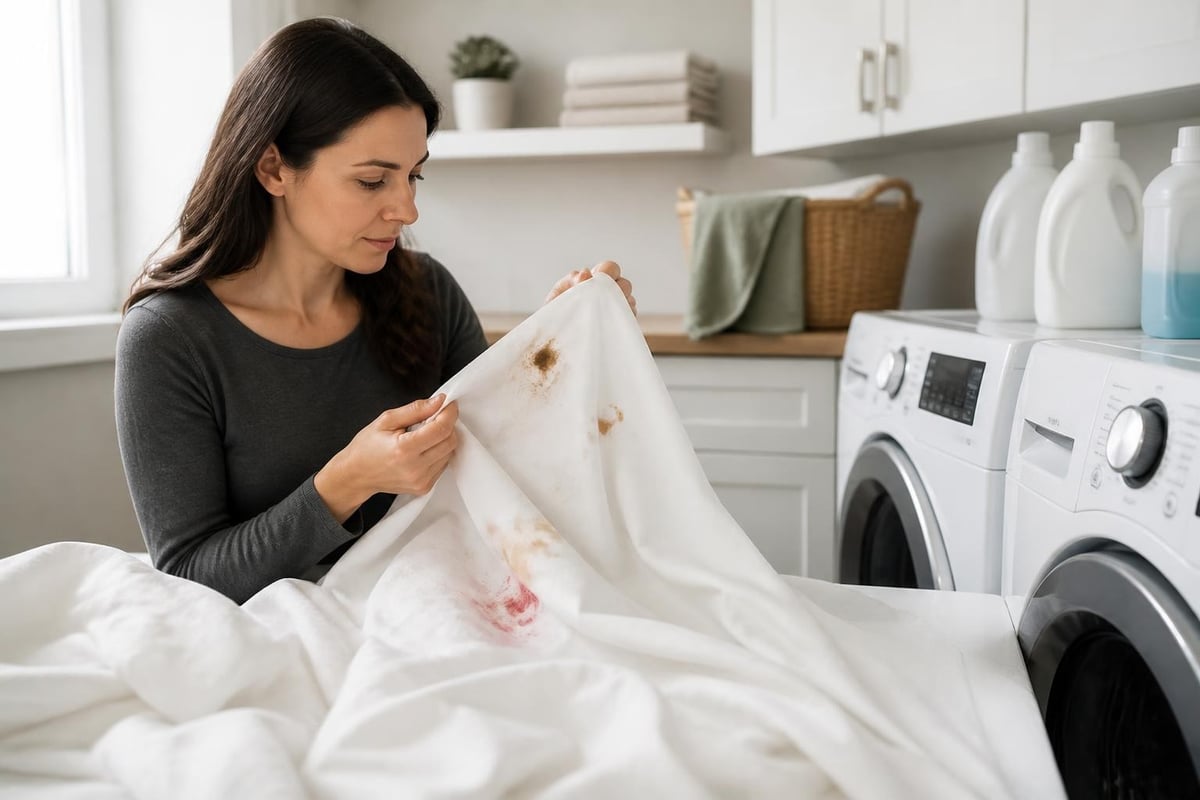
Despite preventive measures, bedding inevitably encounters stains from various sources including body oils, cosmetics, food, beverages, and bodily fluids. Addressing these stains promptly and appropriately prevents permanent setting and maintains the aesthetic appeal of clean sheets.
Stain-Specific Approaches
| Stain Type | Treatment Method | Key Considerations |
|---|---|---|
| Blood | Cold water soak, enzyme treatment | Never use hot water; sets protein stains |
| Sweat | Oxygen bleach, white vinegar | Avoid chlorine bleach on colors |
| Oil-based | Dish soap pre-treatment | Apply before washing |
| Makeup | Rubbing alcohol, gentle agitation | Test colorfastness first |
| Wine/Coffee | Immediate blotting, cold water rinse | Hot water sets tannin stains |
The most effective stain removal begins immediately upon discovery. Allowing stains to set, particularly protein-based ones like blood and sweat, dramatically reduces removal success rates. Modern comprehensive laundry capsules incorporate multiple enzyme types that address various stain categories simultaneously, simplifying the treatment process.
Commercial and Institutional Bedding Care
Healthcare facilities, hospitality operations, and residential care environments face unique challenges in maintaining clean sheets at scale. Volume requirements, regulatory compliance, infection control protocols, and cost management all influence how these organizations approach bedding hygiene.
Professional laundry operations typically process bedding through industrial washers capable of maintaining precise temperature control, extended wash cycles, and multiple rinse phases. These systems ensure thorough soil removal and pathogen elimination while processing hundreds of pounds of linens daily.
Efficiency and Sustainability Balance
Commercial operations increasingly prioritize sustainability without compromising cleanliness standards. Water reclamation systems, energy-efficient equipment, and concentrated detergent formulations reduce environmental impact while maintaining the rigorous hygiene standards required in professional settings.
The transition from liquid to capsule-based systems in commercial environments eliminates overuse, reduces packaging waste, and ensures consistent dosing across different operators and shift schedules. This consistency proves particularly valuable in designed-for-operators environments where multiple staff members manage laundry responsibilities.
Health Implications of Bedding Hygiene
The connection between clean sheets and personal health extends beyond simple comfort preferences. Dermatological research demonstrates clear relationships between bedding cleanliness and skin health, with regular washing preventing various skin issues including acne, eczema flare-ups, and fungal infections.
Respiratory health similarly benefits from proper bedding maintenance. Individuals with asthma, allergies, or other respiratory sensitivities experience measurable symptom reduction when sleeping on regularly laundered linens. The removal of dust mites, pollen, and other airborne allergens creates a cleaner breathing environment during the critical recovery period of sleep.
Sleep Quality Connection
Beyond preventing health problems, clean sheets positively influence sleep quality through multiple mechanisms. Fresh bedding provides psychological comfort that promotes relaxation, while the absence of allergens and irritants prevents nighttime disturbances caused by sneezing, itching, or congestion.
Temperature regulation also improves with properly maintained bedding. Body oils and product residues reduce fabric breathability over time, trapping heat and moisture that disrupt sleep cycles. Regular washing restores these performance characteristics, supporting the body's natural temperature regulation during sleep.

Building Effective Bedding Rotation Systems
Maintaining consistently clean sheets requires more than just washing frequency-it demands a systematic approach to bedding ownership and rotation. Experts recommend owning multiple bedding sets to facilitate regular washing without disrupting daily routines.
A three-set rotation system provides optimal flexibility: one set currently in use, one set clean and ready for immediate deployment, and one set in the laundry process. This arrangement ensures that bedding emergencies never force the use of unwashed linens and allows for proper drying time without urgency.
Rotation system benefits:
- Extends individual set lifespan through reduced wear frequency
- Provides backup options during illness or accidents
- Allows seasonal variations in fabric weight and composition
- Facilitates deeper cleaning without time pressure
- Reduces stress associated with laundry day logistics
Seasonal rotations allow the introduction of heavier flannel or jersey sheets during winter months and lighter percale or linen options during summer, optimizing comfort while maintaining hygiene standards across changing conditions.
Storage and Maintenance Best Practices
Proper storage between uses protects clean sheets from dust, moisture, and other contaminants that compromise freshness. Linen closets should feature adequate ventilation to prevent musty odors and moisture accumulation. Storing bedding in breathable cotton bags rather than plastic protects fabrics while allowing air circulation.
Folding techniques impact both storage efficiency and fabric preservation. The hospitality industry's approach of folding fitted sheets into neat rectangles, while initially challenging, maximizes closet space and prevents the wrinkling that develops from stuffing sheets into cramped spaces.
Pre-Washing Preparation
Optimizing washing effectiveness begins before items enter the machine. Shaking out sheets removes loose debris and pet hair, preventing these particles from redistributing during the wash cycle. Turning pillowcases inside out ensures thorough cleaning of interior surfaces that contact skin directly.
Separating bedding by color prevents dye transfer, while grouping similar fabric weights ensures balanced washing and drying. Washing sheets separately from clothing prevents lint transfer and allows for the higher temperatures often beneficial for bedding without risking damage to delicate garments.
Advanced Odor Control Techniques
Persistent odors in bedding signal incomplete cleaning or bacterial colonization that requires specialized treatment beyond standard washing. Body oils, particularly those from neck and facial areas, create stubborn odors that resist removal through conventional detergent alone.
Enzyme-based formulations specifically target the protein and lipid molecules responsible for bedding odors. These biological catalysts break down odor-causing compounds at the molecular level rather than simply masking them with fragrance. The result is genuinely fresh bedding rather than perfumed but still contaminated fabric.
Vinegar additions during rinse cycles provide natural deodorizing and fabric-softening benefits, though they should not replace proper detergent use. Baking soda added to wash cycles helps neutralize acidic odors while providing mild abrasive action that assists in soil removal from fabric fibers.

Investment in Quality Products
The relationship between laundry product quality and cleanliness outcomes cannot be overstated. Budget detergents often lack the enzyme diversity, surfactant concentration, and pH optimization necessary for thorough bedding cleaning. The apparent savings disappear when considering replacement costs for prematurely worn or inadequately cleaned linens.
Understanding what makes effective laundry solutions helps consumers make informed choices that balance cost, performance, and environmental impact. Concentrated formulations often provide better value than diluted alternatives despite higher per-unit pricing, as they require smaller doses per load and eliminate water-weight shipping costs.
The evolution toward eco-friendly formulations demonstrates that environmental responsibility and cleaning performance are not competing priorities. Plant-derived surfactants, biodegradable chelating agents, and renewable enzyme sources deliver results matching or exceeding traditional petroleum-based alternatives while reducing environmental footprints.
Maintaining clean sheets requires understanding the science of bedding hygiene, implementing appropriate washing frequencies, and using effective laundry solutions that address the full spectrum of cleaning challenges. The investment in proper bedding care pays dividends through improved sleep quality, enhanced health outcomes, and extended textile lifespan.
Laundry Labs provides commercial-grade, eco-friendly capsule solutions that simplify the path to pristine bedding, combining detergent, softener, stain treatment, and odor control in sustainable formulations designed for both efficiency and exceptional results.