
The Green Guide to Environmentally Friendly Laundry 2026

Imagine if every load of laundry you washed could help the planet instead of harming it. In 2026, environmentally friendly laundry is more than a trend—it is an essential part of a sustainable lifestyle.
This guide will show you how to make your laundry routine greener, smarter, and more efficient. Discover the latest eco-friendly detergents, energy-saving appliances, water-wise habits, and innovative stain solutions.
Ready to reduce your footprint without sacrificing results? Explore practical steps and future-focused strategies to transform your laundry into an eco-conscious powerhouse.
Understanding the Environmental Impact of Laundry
Imagine every load of laundry creating a ripple effect that goes far beyond your laundry room. The true environmental cost of washing clothes is often hidden, but understanding these impacts is the first step toward adopting an environmentally friendly laundry routine. With small changes, households can dramatically reduce their footprint and help shape a more sustainable future.

The Hidden Costs of Conventional Laundry
Every time you wash clothes, significant amounts of water and energy are consumed. According to recent Laundry's Environmental Impact Statistics, a typical washing machine uses 40 to 50 gallons of water per load. Laundry alone accounts for about 10% of household energy use, especially when hot water and dryers are involved.
Traditional detergents contain chemicals like phosphates and optical brighteners, which can enter waterways and harm aquatic life. Synthetic fabrics shed microfibers during washing, contributing to the growing problem of microplastic pollution. Each year, U.S. laundry-related emissions are equivalent to the output of 21 million cars, illustrating how daily habits add up.
Packaging waste is another concern. Single-use plastic jugs and boxes from conventional detergents often end up in landfills, adding to the environmental burden. The carbon footprint of laundry increases further when factoring in water heating and frequent dryer use. Even so, switching to environmentally friendly laundry practices—such as cold water washing and using efficient appliances—can yield outsized benefits.
Summary Table: Environmental Impacts of Conventional Laundry
| Impact Area | Description |
|---|---|
| Water Usage | 40-50 gallons per load |
| Energy Consumption | ~10% of household energy |
| Chemical Runoff | Phosphates, brighteners pollute waterways |
| Microfiber Pollution | Microplastics from synthetics |
| Carbon Emissions | Annual laundry = 21 million cars' emissions |
| Packaging Waste | Single-use plastics fill landfills |
Key Environmental Issues in 2026
By 2026, the urgency to adopt environmentally friendly laundry solutions has only grown. Water scarcity is worsening globally, with climate change amplifying droughts and reducing freshwater availability. This puts additional pressure on households and industries to conserve water during every wash.
Regulations are tightening, especially regarding phosphates and microplastics in detergents. Many governments now require clearer eco-labeling, making it easier for consumers to choose sustainable products. The European Union, for instance, has implemented a ban on certain laundry chemicals proven to harm the environment, setting a precedent for other markets.
Consumers are demanding more transparency from brands about ingredient sourcing and environmental impact. As a result, major detergent companies are reformulating products to meet these new standards. Increased awareness and policy changes are driving a wave of innovation, making environmentally friendly laundry more accessible than ever.
In summary, the environmental impact of laundry is significant, but practical changes in detergents, habits, and appliances can make a real difference. By staying informed and choosing sustainable options, everyone can contribute to a cleaner planet.
Choosing Eco-Friendly Laundry Detergents
Selecting the right detergent is crucial for an environmentally friendly laundry routine. The products you choose impact water quality, energy use, and even the air in your home. By understanding what makes a detergent eco-friendly, you can reduce your environmental footprint without sacrificing cleaning power.
What Makes a Detergent Eco-Friendly?
Eco-friendly detergents stand out because of their ingredients and packaging. They use plant-based surfactants instead of petroleum-derived chemicals, which break down safely in the environment. These formulas avoid phosphates, optical brighteners, and synthetic dyes, all of which can harm aquatic life.
Certifications matter. Look for cruelty-free and non-toxic certifications to ensure the product does not harm animals or people. Concentrated formulas are another feature of environmentally friendly laundry detergents, since they require less water for production and shipping.
Packaging choices also make a difference. Recyclable, compostable, or reusable containers help reduce landfill waste. By prioritizing these features, your environmentally friendly laundry routine supports both your health and the planet.
Reading Labels and Certifications
Understanding detergent labels is essential for environmentally friendly laundry. Key eco-labels to look for include EPA Safer Choice, EU Ecolabel, and Leaping Bunny. These marks indicate rigorous testing for safety and sustainability.
Ingredient lists can be confusing. Avoid products with phosphates, chlorine bleach, and synthetic fragrances. Instead, choose options with clear, plant-based ingredients. Brands that practice transparency will share sourcing and manufacturing details, giving you confidence in your choice.
Take time to research certifications and ingredient lists. This ensures your environmentally friendly laundry habits are backed by products that truly deliver on their promises.
Comparing Popular Green Detergent Brands
Today’s market offers a variety of green detergents, each with unique strengths. The most reputable brands are evaluated by performance, price, and sustainability. Some consumers prefer powders, which use less water in production. Liquids are convenient but may involve more packaging. Capsules offer precision dosing and reduce waste, yet packaging materials still matter.
Consider these factors in a quick comparison:
| Type | Water Use | Packaging | Portion Control |
|---|---|---|---|
| Powder | Low | Cardboard, Refill | Manual |
| Liquid | Moderate | Plastic, Refill | Measured |
| Capsule | Low | Pouch, Recyclable | Automatic |
For a deeper dive into the best options, see The best eco laundry detergent, which reviews leading brands and their environmental impact. This resource helps you make informed decisions for an environmentally friendly laundry routine.
Laundry Labs: The All-in-One Eco Laundry Solution
Laundry Labs sets a new standard for environmentally friendly laundry with its 5-in-1 capsules. Each capsule combines detergent, softener, stain remover, and odor control, using biodegradable and cruelty-free ingredients. This approach eliminates harsh chemicals and ensures every wash is safe for your family and the planet.
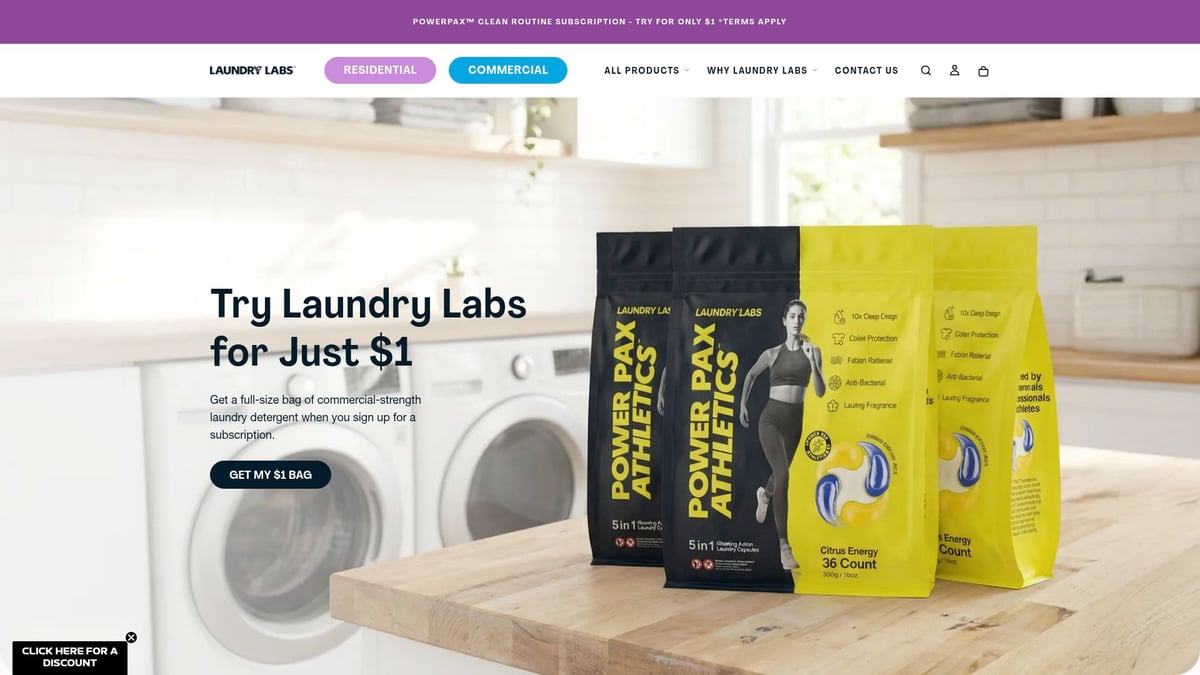
The capsules provide precision dosing, which means no product goes to waste. Packaging is fully recyclable, reducing landfill contributions. Laundry Labs also offers flexible subscription delivery, making it easy for both homes and businesses to maintain a consistent, green laundry routine.
With commercial-grade cleaning power, Laundry Labs proves that environmentally friendly laundry does not require compromise. You can achieve powerful results while protecting the environment, making this solution ideal for anyone committed to sustainability.
Energy and Water Efficiency in Laundry Practices
Upgrading your laundry routine is one of the most effective ways to create an environmentally friendly laundry process. By focusing on efficient appliances, smart washing habits, and sustainable drying, you can make a measurable difference in your home’s resource consumption. Let us break down the essential steps to maximize energy and water efficiency while keeping your clothes fresh.

Choosing the Right Appliances
Selecting the best appliances is the foundation for environmentally friendly laundry. ENERGY STAR-rated washers and dryers use up to 25 percent less energy and 33 percent less water than standard models. Front-load machines outperform top-loaders by using less water and spinning more efficiently.
Here’s a quick comparison:
| Feature | Front-Load Washer | Top-Load Washer |
|---|---|---|
| Water Use | Lower | Higher |
| Energy Efficiency | Higher | Lower |
| Cleaning Power | Excellent | Good |
Smart washers offer load-sensing and eco-modes, adjusting automatically for optimal performance. When replacing old machines, look for these features to ensure your environmentally friendly laundry setup starts strong.
Optimizing Wash Cycles
How you run each load matters just as much as your appliances. Washing in cold water saves up to 90 percent of the energy compared to hot cycles, yet still provides excellent cleaning results with modern detergents. Always wait to wash full loads, as this maximizes efficiency and minimizes waste.
Choose shorter cycles for lightly soiled clothes. Lower spin speeds can help protect delicate fabrics and reduce wear. Every adjustment you make supports a more environmentally friendly laundry routine.
Reducing Water Waste
Conserving water is essential for environmentally friendly laundry, especially as water scarcity intensifies worldwide. High-efficiency washers use less water per cycle, offering significant savings over time. If possible, consider systems that reuse greywater for garden irrigation.
Avoid pre-rinsing unless absolutely necessary, as modern machines and detergents handle most soils effectively. Small steps like these add up, making your laundry process more resource-conscious and sustainable.
Sustainable Drying Methods
Drying clothes efficiently is another key step in environmentally friendly laundry. Line drying is the gold standard, saving energy and preserving fabric quality. If you use a dryer, heat pump models consume about 50 percent less energy than conventional dryers.
Add wool dryer balls to reduce drying time and soften fabrics naturally. Whenever possible, air-dry delicate items to extend their lifespan and further cut your energy use.
Maintenance for Efficiency
Maintaining your machines ensures ongoing environmentally friendly laundry results. Regularly clean your washer and dryer to prevent mold and maintain performance. Check hoses and seals for leaks, which can cause water waste and damage.
Descale your washing machine and clean filters as recommended. These simple actions keep appliances running at peak efficiency, supporting your sustainability goals.
Statistics and Data
Making the switch to efficient appliances and habits delivers real benefits. ENERGY STAR reports that households save about $130 per year by upgrading washers and dryers. Air drying alone can cut household carbon emissions by 1,500 pounds annually.
For more actionable strategies and tips, explore eco-friendly laundry solutions for 2025, which offers practical guidance on creating an environmentally friendly laundry routine. Every small change compounds, leading to significant environmental and financial savings over time.

Sustainable Laundry Habits for Everyday Life
Adopting sustainable habits can make your environmentally friendly laundry routine both simple and highly effective. Small, daily adjustments in how you sort, wash, and care for clothes collectively lead to significant resource savings and a reduced ecological footprint.

Smart Sorting and Load Management
Sorting laundry not only preserves fabric quality, it also maximizes the efficiency of your environmentally friendly laundry process. Begin by separating clothes by fabric type and soil level. Grouping lightly soiled items together lets you use gentler wash cycles, saving water and energy.
To further boost efficiency:
- Only run full loads, but avoid overloading the machine
- Combine similar items to reduce total wash cycles
- Plan your laundry schedule to minimize small, inefficient loads
Thoughtful sorting leads to fewer loads, saving resources and extending the life of your garments.
Eco-Conscious Detergent Usage
The detergent you choose and how you use it plays a crucial role in environmentally friendly laundry. Always measure detergent precisely, as using too much increases residue and environmental waste. Concentrated and capsule detergents offer portion control, preventing overuse.
Look for plant-based or biodegradable detergents with eco-certifications. For a deeper dive into day-to-day habits, you can explore actionable ideas in Building a greener laundry routine.
Cold Water Washing and Its Benefits
Washing your clothes in cold water is one of the simplest ways to promote environmentally friendly laundry. Modern detergents are formulated to work effectively at lower temperatures, so you don’t sacrifice cleaning power.
Benefits of cold water washing:
- Saves up to 90% of the energy used per load
- Reduces color fading and fabric wear
- Cuts annual household emissions by up to 1,600 lbs of CO2
Adopting this habit keeps your clothes vibrant and your energy bills lower.
Fabric Care for Longevity
Caring for clothes properly is fundamental for environmentally friendly laundry. Wash garments less often when possible, spot clean stains, and air out items between wears. Turning clothes inside out before washing reduces surface abrasion and color loss.
Repairing small rips or missing buttons extends the usable life of your wardrobe. Longevity in clothing means fewer items end up in landfills and less frequent shopping, both of which have positive environmental impacts.
Green Stain Removal Techniques
For stains, natural solutions like baking soda, vinegar, or lemon juice can be effective alternatives to harsh chemicals. Pre-treating stains before washing improves cleaning results and often eliminates the need for repeat washes.
Avoid using chlorine bleach and opt for oxygen-based or enzyme-based cleaners when necessary. These approaches align with environmentally friendly laundry goals by reducing toxic runoff and protecting waterways.
Reducing Microfiber Pollution
Synthetic fabrics shed microfibers during each wash, contributing to water pollution. To minimize this, wash synthetics less frequently and use microfiber-catching laundry bags or filters. Research shows that specialty bags can reduce microplastic release by up to 86 percent.
- Choose natural fibers when possible
- Use a gentle cycle for synthetics
- Clean washing machine filters regularly
These steps help ensure your environmentally friendly laundry routine truly supports a cleaner planet.

| Habit | Environmental Benefit |
|---|---|
| Cold water washing | Saves 90% of wash energy |
| Full loads | Reduces water and energy per item |
| Microfiber filters | Lowers microplastic pollution by up to 86% |
| Washing less often | Doubles garment lifespan |
Integrating these habits into your daily routine ensures that environmentally friendly laundry becomes second nature, supporting both your household and the planet.
Innovations and the Future of Eco-Friendly Laundry
The future of environmentally friendly laundry is being shaped by rapid advancements in technology, science, and consumer demand. As we move into 2026, the laundry industry is undergoing a transformation that promises greater efficiency, less waste, and a smaller environmental footprint. Innovative solutions are emerging across every aspect of the wash cycle, from smart machines to next-generation detergents.
Smart Laundry Technologies
Cutting-edge smart laundry technologies are leading the charge for environmentally friendly laundry. AI-powered washing machines can analyze fabric types and soil levels, automatically adjusting cycles to use the least amount of water and energy. IoT-enabled appliances offer remote monitoring and scheduling, allowing users to optimize laundry times for off-peak energy hours.
Waterless washing machines, using ultrasonic or ozone-based cleaning, are becoming more mainstream. These innovations dramatically reduce water use while maintaining cleaning power. To explore how science and sustainability intersect in laundry, check out Science meets sustainability in laundry.
These technologies not only save resources but also make environmentally friendly laundry more accessible and convenient for households and businesses.
Emerging Green Detergent Formulations
The detergent market is evolving, with new formulations that support environmentally friendly laundry without compromising effectiveness. Enzyme-based and probiotic cleaners break down stains naturally, reducing the need for harsh chemicals. Brands are introducing zero-waste refill systems and dissolvable pods, minimizing packaging waste.
Some companies are pioneering carbon-negative detergent production, offsetting emissions throughout the product lifecycle. For a deeper look at how smart solutions and eco-friendly detergents are revolutionizing the industry, see Revolutionizing Laundry with Smart and Sustainable Solutions.
These innovations are helping consumers adopt environmentally friendly laundry routines with products that are both powerful and planet-friendly.
Circular Economy and Textile Recycling
The circular economy is gaining traction in the laundry sector. Take-back programs for worn textiles encourage recycling and reduce landfill waste. Commercial laundries are implementing closed-loop systems to reclaim water and energy, further supporting environmentally friendly laundry operations.
Partnerships between detergent brands and recycling firms are making it easier for consumers to return empty packaging or worn garments for responsible processing. This shift toward circularity ensures that materials are reused, closing the loop and minimizing environmental impact.
Policy and Regulatory Trends
Governments worldwide are enacting policies to further promote environmentally friendly laundry. Bans on microplastics in laundry appliances are taking effect, and incentives are available for households and businesses adopting high-efficiency machines. New regulations require mandatory eco-labeling for detergents, increasing transparency and helping consumers make informed choices.
These changes are pushing manufacturers to innovate and ensuring that environmentally friendly laundry becomes the new standard across the globe.
Consumer Behavior and Market Trends
Consumer demand is driving the adoption of environmentally friendly laundry practices. Subscription services for eco-laundry products and the growth of refill stations in retail locations are making sustainable choices more convenient than ever. According to recent market research, 40% of consumers now prioritize sustainability when purchasing laundry products.
As awareness grows, more people are seeking out solutions that align with their values, contributing to a collective shift toward environmentally friendly laundry habits.
The path forward is filled with both challenges and opportunities. Balancing cost, convenience, and sustainability remains a key hurdle, but ongoing innovation and education are paving the way for a greener future in laundry care.
Eco-Friendly Laundry for Special Needs and Commercial Settings
Adapting environmentally friendly laundry solutions for special needs and commercial settings is essential for broad sustainability. Each environment, from homes with sensitive skin concerns to bustling hotels and hospitals, faces unique challenges. Customizing your approach enables both efficiency and environmental responsibility.
Laundry for Sensitive Skin and Allergies
Sensitive skin requires a careful approach to environmentally friendly laundry. Opt for fragrance-free, hypoallergenic detergents that avoid dyes, enzymes, and synthetic fragrances. Look for products with plant-based ingredients and clear eco-labels, ensuring minimal irritants.
When washing baby clothes or delicates, choose gentle cycles and rinse thoroughly to remove any residue. Air drying helps reduce exposure to potential allergens and saves energy. For those with allergies, washing new garments before use and regularly cleaning the washing machine prevents buildup of irritants.
Large Households and High-Volume Laundry
Managing environmentally friendly laundry in large households means balancing convenience with sustainability. Use bulk or concentrated eco-friendly detergents to minimize packaging waste and cost. Batching loads by combining lightly soiled items and scheduling laundry days helps optimize both water and energy use.
Efficient sorting by fabric type and soil level ensures proper cleaning without overloading the machine, maintaining performance and garment longevity. Choosing cold water cycles further reduces energy consumption. According to the Eco-Friendly Laundry Detergent Market Report, demand for green detergents continues to rise as families seek both environmental and economic benefits.
Commercial and Hospitality Sector Solutions
Hotels, laundromats, and hospitality venues can set a benchmark for environmentally friendly laundry by investing in high-capacity, ENERGY STAR-rated machines. These appliances use up to 33% less water and 25% less energy, drastically reducing operational costs and environmental impact.
On-site water recycling and heat recovery systems help reuse resources, while green certifications signal commitment to sustainability. Using commercial-grade, eco-friendly detergents and offering staff training on efficient practices further enhances results. As highlighted by National Geographic on Laundry's Environmental Impact, industry-wide adoption of greener solutions can significantly reduce pollution and resource waste.
Athletic and Specialty Laundry
Athletic gear and specialty fabrics require targeted, environmentally friendly laundry strategies. Use enzyme-based or probiotic detergents designed for technical fabrics, which effectively remove sweat and odors without harsh chemicals.
Pre-treating stains with natural agents like baking soda or vinegar preserves fabric integrity. For sportswear, washing in cold water and air drying maintains elasticity and reduces energy use. Specialty laundry needs are met by choosing products that balance cleaning power with environmental safety.

Institutional and Healthcare Laundry
Healthcare settings demand rigorous hygiene, yet environmentally friendly laundry remains possible. Opt for disinfection methods that avoid chlorine bleach, such as oxygen-based whiteners or high-heat cycles, to protect both health and the planet.
Proper management of infectious waste is critical. Machines with programmable cycles and water-saving features help institutions comply with environmental and health regulations while maintaining safety. Regular maintenance ensures optimal performance and minimizes resource use.
Community and Shared Laundry Spaces
Shared laundry environments, like laundromats or apartment complexes, present unique opportunities for environmentally friendly laundry. Facility managers can implement group purchasing of green detergents and install microfiber filters to reduce pollution.
Providing educational materials encourages users to adopt eco-friendly habits, such as washing full loads and using cold water. Visible green certifications can build trust and attract sustainability-focused tenants or customers.
Data and Case Studies
Real-world data underscores the benefits of environmentally friendly laundry. Hotels that implement on-site water recycling report up to 50% savings on water bills. Green-certified laundromats attract 30% more customers, demonstrating the business case for sustainability.
These examples show that across all settings, environmentally friendly laundry practices yield measurable environmental and economic gains.
As you’ve discovered, making your laundry routine truly eco-friendly isn’t just about using less water or energy—it’s about choosing solutions that align with your values and the planet’s needs. If you’re ready to simplify your efforts and make a measurable impact, Laundry Labs’ 5 in 1 capsules offer an efficient, sustainable choice for both homes and businesses. You get commercial grade cleaning power without the environmental trade off, all in convenient, biodegradable packaging.
Take the next step toward greener laundry habits and see how effortless sustainability can be—Shop Now.
