
How to Remove Mud Stains: Professional Treatment Guide

Mud stains represent one of the most persistent laundry challenges faced by households, athletic facilities, and commercial laundry operations. Unlike water-based stains that often respond to immediate treatment, mud requires a counterintuitive approach that tests the patience of even experienced laundry professionals.
The combination of soil particles, organic matter, and moisture creates a complex stain that bonds to fabric fibers, demanding specific treatment protocols for successful removal. Understanding the science behind these stains and applying proven techniques ensures better outcomes while protecting fabric integrity.
Understanding the Composition of Mud Stains
Mud consists of multiple components that create removal challenges. Soil particles provide the physical mass, while clay minerals contain iron oxides that cause discoloration. Organic materials such as decomposed plant matter and microorganisms add another layer of complexity.
The moisture content in fresh mud allows these components to penetrate deeply into fabric weaves. When mud dries, the soil particles become mechanically trapped within the textile structure. This dual nature-wet penetration followed by dry adherence-explains why mud stains require specific handling techniques.
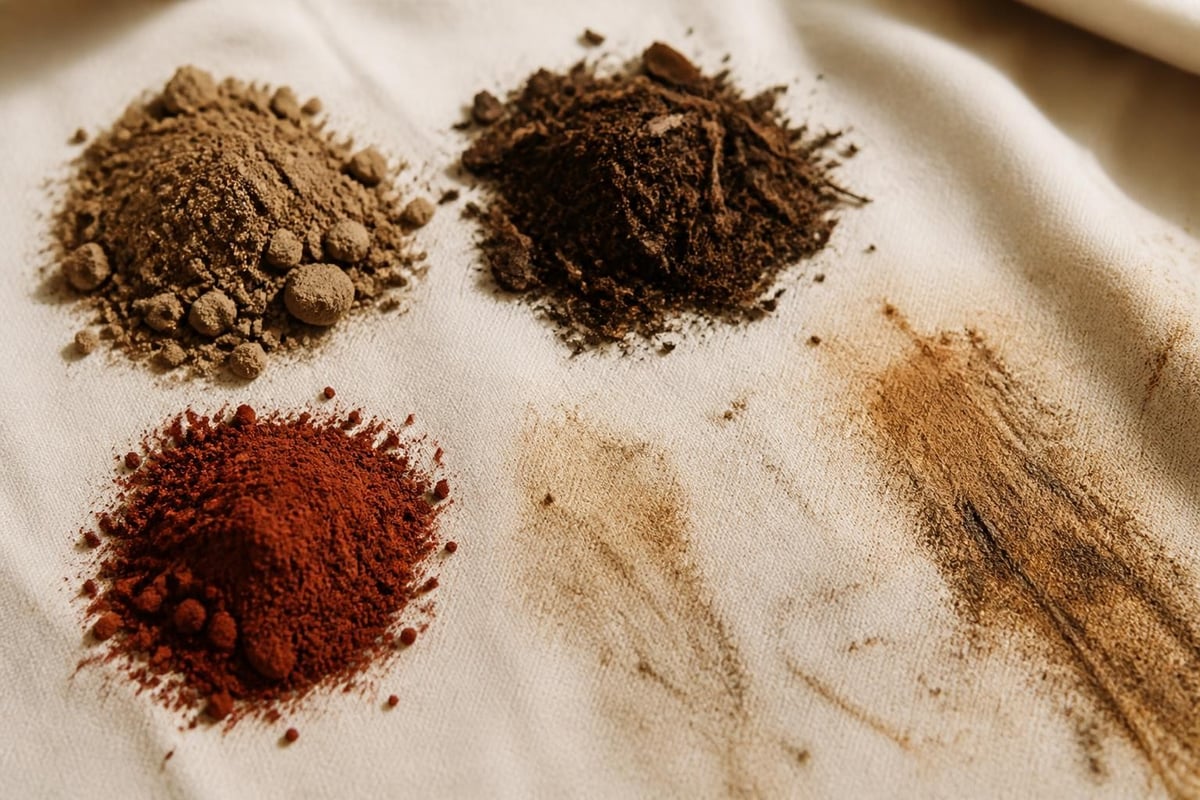
Different soil types create varying stain characteristics. Red clay contains high iron content that leaves distinctive orange-brown marks. Black topsoil rich in organic matter produces darker stains. Understanding your regional soil composition helps predict stain behavior and select appropriate treatment methods, as detailed in specialized fabric treatment guides.
Why Letting Mud Dry Is Essential
The first rule of mud stain treatment contradicts natural instinct: never treat mud while wet. Immediate washing drives soil particles deeper into fabric fibers, spreading the stain and making removal exponentially more difficult.
Allowing mud to dry completely transforms the stain from a liquid suspension into solid particles. These dried particles can then be mechanically removed through brushing or scraping, eliminating up to 70% of the stain material before any washing occurs. This physical removal prevents soil from spreading during the wash cycle.
Benefits of the drying approach include:
- Reduced water usage during initial treatment
- Prevention of stain spreading to clean fabric areas
- Easier mechanical removal of soil particles
- Better preservation of fabric texture and color
- More effective subsequent chemical treatment
Patience during this drying phase, which typically requires 2-4 hours depending on humidity levels, significantly improves final results. Professional laundry operations schedule stain treatment around this drying requirement to maximize efficiency.
Pre-Treatment Techniques for Different Fabrics
Once mud has dried completely, pre-treatment becomes the critical success factor. Modern laundry solutions like 5-in-1 commercial detergent capsules incorporate built-in stain treatment technology, but understanding fabric-specific approaches enhances results.

Cotton and Cotton Blends
Cotton fibers tolerate aggressive treatment methods. After brushing away dried mud, apply a concentrated detergent solution directly to the stain. Work the solution into the fabric using a soft-bristled brush, creating friction that loosens remaining soil particles.
For particularly stubborn stains on cotton, create a paste using three parts baking soda to one part water. This alkaline treatment helps break down organic matter while providing gentle abrasion. Let the paste sit for 30 minutes before washing.
Synthetic Performance Fabrics
Athletic wear and performance textiles require gentler handling to preserve technical properties. These fabrics often feature moisture-wicking treatments that harsh chemicals can damage. Use enzyme-based pre-treatments that target organic components without affecting fabric coatings.
Apply the treatment to both sides of the fabric, as performance textiles often have complex weave structures. Allow 15-20 minutes for enzyme action before washing. Athletes and sports facilities particularly benefit from specialized formulations designed for athletic performance fabrics.
Delicate and Natural Fibers
Wool, silk, and linen demand careful treatment approaches. These natural fibers can be permanently damaged by aggressive scrubbing or harsh chemicals. After dry brushing, use cool water and a mild detergent specifically formulated for delicates.
Blot rather than rub the stained area. Work from the outside edges toward the center to prevent spreading. Multiple gentle treatments prove more effective than single aggressive applications.
The Science Behind Effective Mud Removal
Understanding how detergents interact with mud stains improves treatment outcomes. Modern laundry science employs multiple mechanisms working simultaneously to lift soil from fabrics.
| Cleaning Mechanism | Function | Effectiveness on Mud |
|---|---|---|
| Surfactants | Break surface tension, surround particles | High - lifts soil particles |
| Enzymes | Break down organic matter | Medium - targets organic components |
| Builders | Soften water, boost detergent | High - prevents soil redeposition |
| Chelating agents | Bind to minerals | High - removes iron stains |
Surfactants provide the primary cleaning action by reducing water's surface tension, allowing it to penetrate fabric fibers more effectively. These molecules have hydrophilic (water-loving) and hydrophobic (water-repelling) ends that surround soil particles, lifting them into suspension.
Enzymes target specific stain components. Proteases break down protein-based organic matter, while amylases handle starch residues. This biological approach works at lower temperatures than traditional chemical cleaning, supporting sustainability goals outlined in eco-friendly detergent research.
Builders and chelating agents prevent removed soil from redepositing on clean fabric. These compounds bind to mineral components in both the stain and the wash water, keeping everything in suspension until the rinse cycle carries it away.

Washing Protocols for Maximum Effectiveness
After proper pre-treatment, washing parameters significantly impact final results. Temperature selection, cycle duration, and detergent concentration must align with fabric type and stain severity.
Temperature Considerations
Hot water (130-140°F) provides maximum cleaning power for durable fabrics like cotton and polyester blends. Heat increases molecular activity, accelerating chemical reactions and improving soil suspension. However, hot water can set protein-based stains, so verify all organic matter has been pre-treated.
Warm water (90-110°F) offers a compromise for mixed loads and moderately soiled items. This temperature activates most detergents effectively while protecting colors and reducing energy consumption.
Cold water works for delicates and lightly soiled items when combined with high-quality detergents designed for low-temperature effectiveness. Modern formulations achieve excellent results at lower temperatures, as explained in guides on removing set-in stains.
Cycle Selection and Duration
Extended wash cycles provide more mechanical action and chemical contact time. For heavily soiled items, select cycles offering at least 12-15 minutes of wash time. The agitation helps dislodge remaining soil particles while ensuring complete detergent distribution.
Extra rinse cycles prevent detergent residue that can attract future soil. This proves particularly important in hard water areas where mineral content can interfere with rinsing efficiency.
Advanced Stain Removal for Persistent Cases
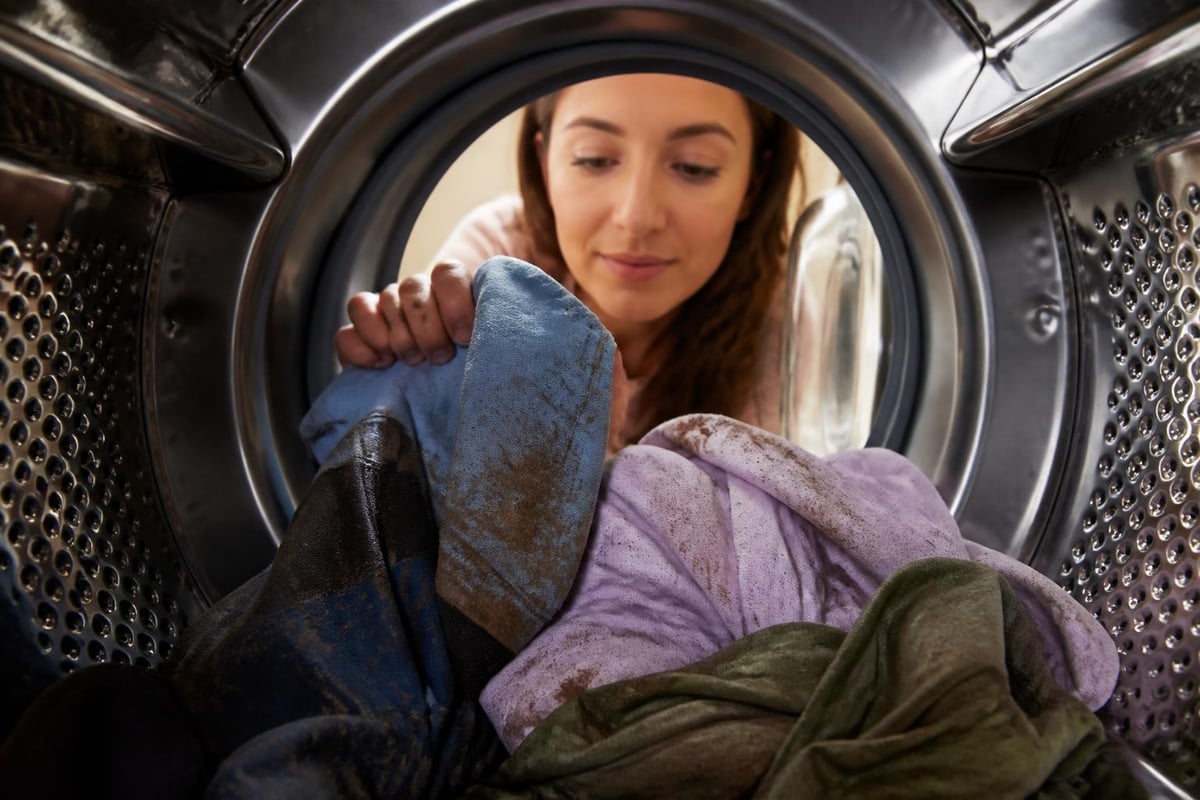
Some mud stains resist standard treatment protocols, requiring specialized approaches. Set-in stains that have been washed and dried present particular challenges because heat sets the stain permanently into fabric structure.
For these difficult cases, commercial stain removers containing oxygen bleach provide powerful yet fabric-safe treatment. Unlike chlorine bleach, oxygen-based formulations work on colored fabrics without causing fading. Apply directly to the stain, let sit for 5-10 minutes, then rewash.
Stubborn stain treatment options:
- Repeat the complete dry-brush-pretreat-wash cycle
- Apply undiluted liquid detergent directly to the stain
- Use a commercial oxygen bleach solution overnight
- Consider professional dry cleaning for valuable garments
- Try enzymatic cleaners specifically formulated for organic stains
The comprehensive methods for eliminating mud stains emphasize patience and systematic approaches rather than aggressive single treatments. Multiple gentle applications protect fabric integrity while achieving superior results.
Preventing Future Mud Stain Problems
Prevention strategies reduce the frequency and severity of mud stain challenges. While completely avoiding mud proves impossible in many situations, proactive measures minimize damage.
Apply fabric protectors to high-use items like children's play clothes, work uniforms, and outdoor gear. These treatments create a barrier that prevents soil from bonding directly to fibers. Most fabric protectors require reapplication every 3-5 washes but significantly improve stain resistance.
For sports teams and outdoor activity programs, establish immediate response protocols. Provide dry brushing tools and pre-treatment supplies at facilities. Quick initial treatment, even without washing, prevents stains from setting during transportation home.
Athletes wearing technical fabrics benefit from specialized care approaches. Performance wear designed for outdoor activities often incorporates mud-resistant technologies, but proper care maintains these properties. For those seeking durable options, brands like PSF Collective design activewear with practical features suited for varied conditions.
| Prevention Strategy | Implementation Cost | Effectiveness Rating |
|---|---|---|
| Fabric protectant spray | Low | 7/10 |
| Immediate dry brushing | Minimal | 8/10 |
| Quick pre-treatment | Low | 9/10 |
| Designated outdoor clothing | Medium | 10/10 |
| Professional laundering | High | 9/10 |
Commercial Applications and High-Volume Solutions
Facilities handling large volumes of muddy laundry face unique challenges requiring industrial-grade solutions. Athletic departments, equestrian centers, and outdoor recreation programs process hundreds of soiled items weekly.
Commercial-grade detergents formulated for high-efficiency machines deliver consistent results across large loads. These concentrated formulations, available through providers like Laundry Labs, combine multiple cleaning technologies in single-dose formats that eliminate measuring errors and ensure proper chemical concentration.
Equestrian facilities managing riding apparel understand fabric care challenges particularly well. Quality riding gear represents significant investment, making proper care essential. Organizations specializing in mens equestrian clothing emphasize durability and performance, qualities preserved through appropriate laundering protocols.

Workflow Optimization for Commercial Settings
Efficient commercial operations implement systematic workflows that maximize throughput while maintaining quality standards. Dedicated pre-treatment stations equipped with brushes, spray bottles, and soaking tubs enable staff to process items quickly before loading washing machines.
Batch processing by soil level and fabric type improves results. Heavily soiled items receive extended treatment, while lightly soiled garments wash quickly on standard cycles. This segmentation prevents cross-contamination and optimizes resource usage.
Environmental Considerations in Mud Stain Treatment
Sustainable laundry practices balance cleaning effectiveness with environmental responsibility. Traditional mud stain removal often involves excessive water usage, high temperatures, and harsh chemicals. Modern approaches prioritize efficiency without sacrificing results.
Cold-water washing reduces energy consumption by up to 90% compared to hot water cycles. When combined with properly formulated detergents, cold water achieves excellent cleaning while supporting sustainability goals. This approach aligns with broader initiatives discussed in resources about eco-laundry options for homes.
Concentrated detergent formulations minimize packaging waste and transportation emissions. Single-dose capsules eliminate overdosing, reducing chemical discharge into water systems. These efficiency improvements prove particularly important for commercial operations processing high volumes.
Sustainable mud stain removal practices include:
- Pre-treating with mechanical removal to reduce chemical needs
- Using cold or warm water instead of hot when fabric permits
- Selecting biodegradable, plant-based detergent formulations
- Choosing concentrated products that reduce packaging waste
- Implementing water reclamation systems in commercial settings
- Line-drying instead of machine drying when possible
Consumers increasingly prioritize environmentally responsible products. Understanding what makes modern laundry solutions different helps facilities and individuals make informed choices that align with sustainability values.
Troubleshooting Common Mistakes
Even experienced laundry professionals occasionally encounter unexpected results. Recognizing common errors prevents repeated failures and fabric damage.
The most frequent mistake involves treating mud while wet. This spreads the stain, drives particles deeper, and often makes removal impossible. Always allow complete drying before any treatment.
Using excessive heat sets protein-based components permanently. If mud contains organic matter like grass, leaves, or animal waste, hot water creates irreversible bonding with fabric. Start with cooler temperatures and increase only if necessary.
Insufficient pre-treatment leads to disappointing wash results. The brief contact time during machine washing cannot compensate for inadequate pre-treatment. Invest time in proper preparation for consistently better outcomes.
Over-application of cleaning products creates residue problems. More detergent does not equal better cleaning. Excess chemicals build up in fabrics, attract soil, and require additional rinsing. Follow manufacturer guidelines for proper dosing.
Resources like Stain Removal 101 provide detailed troubleshooting guides for various surfaces and fabric types, helping users identify and correct specific problems.
Professional-Grade Solutions for Demanding Applications
High-performance environments require reliable, consistent results. Athletic programs, outdoor education centers, and commercial laundries cannot afford variable outcomes or fabric damage from improper treatment.
Professional formulations incorporate multiple technologies working synergistically. Advanced capsule designs like all-in-one commercial detergent options combine detergent, softener, stain treatment, and odor control in pre-measured doses that ensure optimal results.
These integrated solutions eliminate compatibility concerns between separate products. Each component is precisely balanced to work with others, preventing negative interactions that reduce effectiveness. The convenience factor also reduces labor costs and training requirements.
For facilities serving individuals with chemical sensitivities, hypoallergenic formulations maintain cleaning power while eliminating fragrances and irritating additives. Free and clear options meet these needs without performance compromises.
Alternative scent profiles suit different preferences and applications. Lavender-based formulations provide natural antimicrobial properties alongside pleasant fragrance, while linen fresh varieties deliver clean, neutral scents appropriate for professional settings.
Addressing Specific Fabric Challenges
Different textiles respond differently to mud exposure and treatment. Tailoring approaches to specific materials improves outcomes while preventing damage.
Denim and heavy cotton work wear tolerate aggressive treatment. These durable fabrics benefit from extended soaking in detergent solution before washing. The robust construction withstands scrubbing and high-temperature washing that would damage delicate materials.
Moisture-wicking athletic wear requires specialized care to maintain performance properties. Technical fabrics feature chemical treatments and unique fiber structures that conventional laundering can degrade. Guides on cleaning athletic performance fabrics provide fabric-specific protocols that preserve functionality.
Upholstery and carpets present unique challenges because they cannot be machine washed. These applications require extraction methods that remove both stain and cleaning solution. Professional carpet cleaning techniques adapted for mud stains emphasize the same dry-first principle, as outlined in surface-specific cleaning guides.
Wool and natural fibers need gentle enzyme treatments applied at cool temperatures. These materials shrink or felt when exposed to heat and agitation. Hand washing or delicate machine cycles preserve fiber integrity while achieving adequate cleaning.

The Role of Water Quality in Stain Removal
Water chemistry significantly impacts cleaning effectiveness. Hard water containing high mineral concentrations interferes with detergent action and can worsen stain appearance.
Calcium and magnesium ions in hard water bind to detergent molecules, reducing their ability to suspend soil. This creates a situation where more detergent is needed to achieve the same results as soft water. Additionally, mineral deposits can combine with soil to create new staining.
Installing water softening systems or using detergents with built-in water softening agents overcomes these challenges. Professional formulations typically include chelating agents that bind to minerals, preventing interference with cleaning action.
Testing water hardness helps determine appropriate detergent selection and dosing. Simple test kits provide sufficient information for optimizing laundry protocols. Facilities in hard water areas should specifically seek formulations designed for these conditions.
Building Systematic Approaches for Consistent Results
Developing standardized procedures ensures reliable outcomes regardless of who performs the laundry. Written protocols, training programs, and quality control measures create consistency in commercial settings.
Document each step from initial assessment through final inspection. Include specific timing for drying, pre-treatment duration, wash temperature, and cycle selection. Visual guides help new staff understand processes quickly.
Implement quality checkpoints throughout the workflow. Inspect items after drying to ensure complete mud removal before pre-treatment. Check again after washing to identify any remaining stains before machine drying sets them permanently.
Regular training updates keep staff informed about new products and techniques. The laundry industry continuously evolves, introducing improved formulations and methods.
Resources like the Clean Lab Blog provide ongoing education about industry developments.
Track outcomes systematically. Recording which techniques work best for specific stain types and fabrics builds institutional knowledge. This data-driven approach enables continuous improvement while reducing trial-and-error periods.
Removing mud stains successfully requires patience, proper technique, and quality cleaning products working together. By understanding the science behind these persistent stains and applying proven treatment protocols, both households and commercial operations can achieve consistently excellent results while protecting valuable fabrics. When you're ready to simplify your stain removal process with professional-grade solutions that combine efficiency and sustainability, explore how Laundry Labs delivers powerful cleaning technology in convenient, eco-friendly formulations designed for real-world challenges.