
Laundry Labs: Innovation in Modern Fabric Care

The laundry industry has undergone a remarkable transformation over the past decade, driven by scientific innovation and consumer demand for more effective, sustainable cleaning solutions. At the forefront of this revolution are laundry labs, specialized research and development facilities where scientists and engineers work tirelessly to create next-generation fabric care products. These laboratories combine chemistry, material science, and environmental research to develop formulations that clean better while reducing environmental impact. Understanding how laundry labs operate and what they produce can help consumers make informed decisions about the products they use to care for their clothing and textiles.
The Science Behind Modern Laundry Solutions
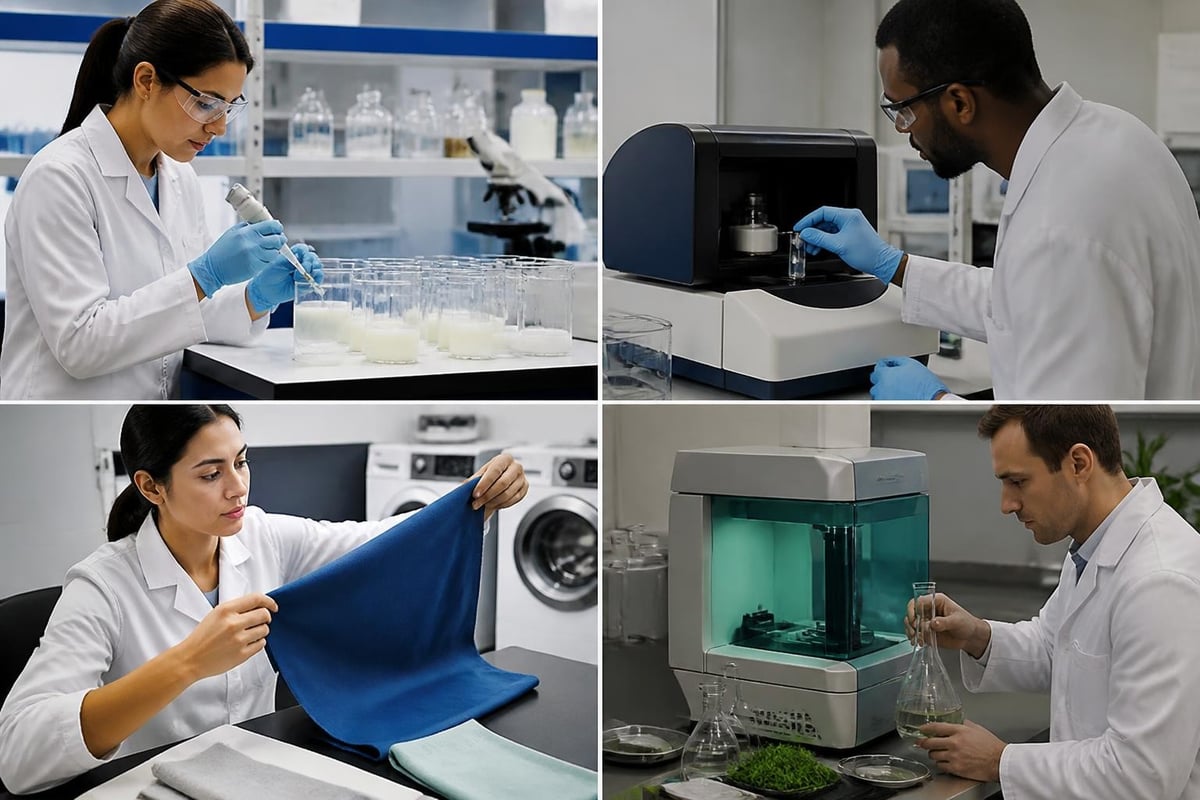
Modern laundry labs function as sophisticated research facilities where chemists analyze everything from enzyme activity to surfactant performance. These facilities test thousands of formulations annually, examining how different ingredients interact with various fabric types, water temperatures, and soil conditions. The development process typically involves multiple stages of testing, from small-scale laboratory experiments to pilot programs and eventually full-scale production.
Scientists in laundry labs focus on several key performance indicators:
- Cleaning efficacy across multiple stain types and fabric materials
- Fabric preservation to extend garment lifespan
- Environmental impact including biodegradability and water usage
- User safety through hypoallergenic and non-toxic formulations
- Efficiency metrics such as concentration and dosage optimization
The research conducted in these facilities has led to breakthrough innovations like capsule technology, which pre-measures detergent and combines multiple cleaning agents into single-dose formats. This advancement addresses both convenience and waste reduction, representing exactly what makes a great laundry detergent in modern homes.
Advanced Testing Methodologies
Laundry labs employ rigorous testing protocols that simulate real-world washing conditions. State-of-the-art equipment measures parameters including pH levels, water hardness compatibility, temperature performance ranges, and rinse efficiency. Many facilities now incorporate artificial intelligence and machine learning to analyze vast datasets from consumer usage patterns.
The integration of AI-driven technologies in laundry solutions has accelerated the development process, allowing researchers to predict performance outcomes more accurately. This technological advancement means products reach market faster while maintaining higher quality standards.
Commercial-Grade Formulations for Everyday Use
One distinguishing characteristic of products developed in laundry labs is their commercial-grade quality. These formulations are engineered to meet the demanding requirements of professional laundry operations, where efficiency, consistency, and cost-effectiveness are paramount. The same rigorous standards applied to commercial products increasingly benefit residential consumers seeking superior performance.
Commercial-grade products typically feature higher concentrations of active ingredients, more stable formulations that maintain efficacy over extended storage periods, and multi-functional capabilities that reduce the need for separate additives.
The Power Pax collection exemplifies this approach, offering concentrated cleaning power in convenient formats.

Multi-Function Capsule Technology
| Feature | Traditional Detergent | Lab-Developed Capsules |
|---|---|---|
| Dosing Accuracy | Manual measurement required | Pre-measured precision |
| Number of Products Needed | 3-4 separate items | Single all-in-one solution |
| Storage Space | Multiple bottles | Compact container |
| Waste Generation | Plastic bottles, measuring cups | Minimal packaging |
| Performance Consistency | Variable based on user | Standardized every wash |
The capsule format represents years of research in laundry labs, where scientists worked to create stable, water-soluble films that dissolve completely at various temperatures. These innovations combine detergent, softener, stain treatment, and odor control into cohesive formulations that work synergistically rather than competing with each other chemically.
Sustainability Through Scientific Innovation
Environmental responsibility has become a central focus in laundry labs worldwide. Researchers dedicate significant resources to developing formulations that clean effectively while minimizing ecological impact. This includes creating biodegradable ingredients, reducing water consumption requirements, and eliminating harmful chemicals like phosphates and optical brighteners.
The shift toward eco-friendly laundry solutions reflects both consumer demand and regulatory pressures. Modern laundry labs must balance performance with sustainability, often discovering that environmentally conscious formulations can outperform traditional chemical-heavy alternatives.
Companies like Henkel are revolutionizing textile care through research-driven innovations that combine smarter washing methods with sustainable practices. This industry-wide movement demonstrates how laboratory research directly translates into consumer benefits.
Enzyme Engineering and Natural Ingredients
Laundry labs have pioneered the use of enzyme technology, developing specialized proteins that target specific stain types. These biological catalysts work at lower temperatures than traditional chemical cleaners, reducing energy consumption while improving performance. Modern formulations typically include multiple enzyme types:
- Proteases for protein-based stains like blood and grass
- Amylases for starch-based residues
- Lipases for oil and grease removal
- Cellulases for fabric brightening and maintenance
- Mannanases for food stains and sauces
This targeted approach means less harsh chemicals are needed overall, creating safer products for both users and the environment. The research behind enzyme stability has been particularly challenging, as these biological molecules must remain active through manufacturing, storage, and the washing process itself.

Applications Across Different User Segments
Products developed in laundry labs serve diverse markets with varying needs. Understanding these segments helps laboratories tailor formulations for specific applications, from residential households to commercial laundromats, athletic facilities, and hospitality operations.
Athletic and Active Lifestyle Solutions
Athletes and fitness enthusiasts face unique laundry challenges, including stubborn odors, synthetic fabric care, and high-frequency washing demands. Laundry labs have developed specialized formulations addressing these needs through enhanced odor-fighting technologies and fabric-safe brighteners. The Citrus Energy Athletics collection represents targeted research into active lifestyle laundry requirements.
Performance testing for athletic wear involves specialized protocols measuring odor elimination, moisture-wicking preservation, and elasticity retention. These metrics ensure that technical fabrics maintain their performance characteristics even after numerous wash cycles.

Sensitive Skin Formulations
Hypoallergenic products require extensive testing in laundry labs to ensure they clean effectively without triggering allergic reactions or skin sensitivities. The Free & Clear options undergo rigorous dermatological testing and exclude common irritants like fragrances, dyes, and optical brighteners.
Developing fragrance-free formulations presents unique challenges, as many cleaning agents have inherent odors that must be neutralized without adding masking fragrances. Laboratory scientists employ advanced purification techniques and careful ingredient selection to create truly hypoallergenic products.

Integration with Smart Appliance Technology
The convergence of laboratory-developed detergents and intelligent washing machines represents the next frontier in fabric care. Companies like LG are introducing AI-powered washers that optimize wash cycles based on load composition, while detergent manufacturers formulate products specifically designed to work with these advanced systems.
This synergy between appliance technology and detergent chemistry means laundry labs must now consider how their formulations interact with various machine types, water delivery systems, and cycle algorithms. Enhanced AI technology for improved convenience requires compatible detergent formulations that perform optimally under algorithmic control.
Future-Ready Formulations
| Innovation Area | Current Development | Expected Impact |
|---|---|---|
| Smart Dosing Systems | Automated dispenser compatibility | Reduced waste, optimal performance |
| Temperature Flexibility | Cold-water enzyme enhancement | Energy savings up to 90% |
| Quick-Wash Optimization | Fast-acting surfactants | Time efficiency, convenience |
| Water Hardness Adaptation | Self-adjusting chelating agents | Consistent results across regions |
These advancements require laundry labs to think beyond traditional product development, considering how formulations interact with increasingly sophisticated home appliances and user behaviors.
Quality Control and Safety Standards
Every product emerging from laundry labs undergoes extensive safety and quality testing before reaching consumers. This includes stability testing under various storage conditions, compatibility testing with common washing machine types, and safety assessments for human health and environmental impact. Regulatory compliance involves meeting standards set by organizations like the EPA, FDA, and various international bodies.
The testing phase often extends over months or even years, with formulations subjected to accelerated aging, extreme temperature variations, and simulated transportation conditions. This rigorous approach ensures products maintain their efficacy and safety throughout their shelf life.
Certification and Transparency
Modern consumers increasingly demand transparency about product ingredients and manufacturing processes. Laundry labs respond by pursuing third-party certifications, publishing ingredient lists, and providing detailed safety data sheets. This transparency builds trust and allows consumers to make informed purchasing decisions based on their values and needs.
Certifications commonly pursued include EPA Safer Choice, USDA BioPreferred, Leaping Bunny (cruelty-free), and various environmental impact assessments. Achieving these certifications requires extensive documentation and independent verification of laboratory claims.
Practical Benefits for Different Living Situations
The innovations developed in laundry labs translate into tangible benefits for consumers across various living situations. Urban apartment dwellers benefit from concentrated formulations requiring less storage space, while large families appreciate bulk options that reduce shopping frequency. The versatility of modern products means one formulation can effectively address multiple household needs.
For those managing small space challenges, capsule-based products eliminate the need for multiple bottles and measuring devices. This space efficiency combined with superior cleaning performance makes laboratory-developed solutions particularly valuable in compact living environments.
Cost Efficiency Through Concentration
While laboratory-developed products may carry higher upfront costs, their concentration and efficiency often result in lower per-load expenses. The precise dosing of capsule formats eliminates waste from over-pouring, while advanced formulations reduce the need for pre-treatment products, stain removers, and fabric softeners.
A comprehensive analysis shows that multi-function capsules typically cost 15-30% less per load than purchasing separate detergent, softener, and stain treatment products. This economic benefit combines with time savings and reduced environmental impact to deliver comprehensive value.

Consumer Education and Proper Usage
Despite advanced formulations, product effectiveness depends significantly on proper usage. Laundry labs invest in consumer education, providing guidance on optimal load sizes, water temperature selection, and storage conditions. Understanding how to properly wash clothes with detergent maximizes the benefits of laboratory-developed formulations.
Common usage mistakes include overloading machines, using excessive product amounts, and selecting inappropriate wash cycles. These errors can diminish even the best formulations' performance, highlighting the importance of user education alongside product development.
Storage and Handling Best Practices
Proper storage preserves product integrity and safety. Laundry labs design packaging to protect against moisture, extreme temperatures, and UV exposure, but consumers must follow storage guidelines:
- Keep products in cool, dry locations away from direct sunlight
- Store capsules in original containers to prevent premature dissolution
- Ensure containers are tightly sealed after each use
- Keep all laundry products out of reach of children and pets
- Avoid storing near food or in high-humidity environments
These simple practices ensure products maintain their laboratory-tested performance throughout their useful life. Following safety tips protects both product efficacy and household safety.
The Business Model Behind Laboratory Innovation
Companies operating laundry labs typically invest millions annually in research and development. This investment pays dividends through patent protection, brand differentiation, and premium positioning in competitive markets. The business model relies on converting scientific innovation into marketable advantages that justify premium pricing.
Understanding the economics helps consumers appreciate why laboratory-developed products cost more than commodity alternatives. The price differential reflects research costs, quality ingredients, advanced manufacturing processes, and rigorous testing protocols. For businesses and consumers prioritizing performance and sustainability, this investment delivers measurable returns through superior results and reduced environmental impact.
Direct-to-Consumer Advantages
Many companies developing advanced formulations in laundry labs now sell directly to consumers, eliminating retail markup and passing savings to end users. This model also facilitates better customer feedback loops, allowing laboratories to refine formulations based on real-world usage data.
The complete product range showcases how direct sales enable companies to offer commercial-grade quality at accessible price points.
The evolution of laundry science demonstrates how dedicated research facilities continue advancing fabric care beyond traditional cleaning approaches. Laboratory innovations in enzyme technology, sustainable chemistry, and multi-function formulations have transformed everyday laundry into a more efficient, effective, and environmentally responsible task. Whether you're managing a commercial operation or simply seeking better results at home, Laundry Labs offers powerful, eco-friendly solutions developed through rigorous scientific research. Their commercial-grade capsule formulations combine convenience with performance, delivering the benefits of laboratory innovation directly to your laundry room.