
Laundry Soap for Workout Clothes: The Complete Guide

Athletes, fitness enthusiasts, and anyone who breaks a sweat during workouts knows the frustration of persistent odors in athletic apparel. Standard detergents often fall short when tackling the unique challenges presented by moisture-wicking fabrics, embedded bacteria, and stubborn sweat stains.
Finding the right laundry soap for workout clothes isn't just about cleanliness; it's about preserving the technical properties of expensive athletic gear while ensuring freshness lasts beyond the first wear. This comprehensive guide explores the science behind workout clothing odors, the specific features to look for in specialized detergents, and best practices for maintaining your athletic wardrobe.
Understanding Why Workout Clothes Demand Special Care
Athletic apparel differs fundamentally from everyday clothing in both construction and function. Synthetic fabrics like polyester, spandex, and nylon dominate the activewear market because they wick moisture away from skin and dry quickly. However, these same properties create the perfect environment for odor-causing bacteria to thrive.
Unlike natural fibers such as cotton, synthetic materials feature microscopic spaces where bacteria, dead skin cells, and sebum accumulate. The microbial interaction between sweat and synthetic fabrics creates compounds that regular detergents struggle to eliminate. These bacteria feast on the proteins and lipids in human sweat, producing volatile organic compounds that create that distinctive gym smell.

The Chemistry of Sweat and Odor
Human perspiration contains more than just water and salt. When you exercise, your body releases a complex mixture of urea, ammonia, lactic acid, and various proteins. Standard laundry detergents target visible stains and general dirt, but they lack the specialized ingredients necessary to break down these specific compounds.
The challenge intensifies because synthetic fabrics are oleophilic, meaning they attract and hold oils. Body oils become trapped in the fiber structure, and traditional cleaning agents cannot penetrate deeply enough to remove them completely. This explains why workout clothes might smell fresh immediately after washing but develop odors as soon as you start sweating again.
Critical Features in Laundry Soap for Workout Clothes
Selecting the right detergent requires understanding which ingredients and formulations work best for athletic apparel. Not all laundry soaps are created equal, and using the wrong product can actually damage technical fabrics or reduce their performance capabilities.
Enzyme-Based Formulations
Protease enzymes target protein-based stains from sweat, blood, and body oils. These biological catalysts break down complex protein structures into smaller, water-soluble molecules that rinse away easily. Lipase enzymes specifically attack fatty acids and oils that accumulate in synthetic fibers.
Amylase enzymes handle carbohydrate-based soils, while cellulase enzymes help maintain fabric appearance by removing micro-fibrils. A quality laundry soap for workout clothes should contain multiple enzyme types for comprehensive cleaning.
Surfactant Technology
Surfactants reduce water's surface tension, allowing the cleaning solution to penetrate fabric fibers more effectively. For athletic wear, look for:
- Anionic surfactants that excel at removing oily soils
- Nonionic surfactants gentle enough for technical fabrics
- Amphoteric surfactants that work across various pH levels
The right surfactant blend ensures thorough cleaning without compromising fabric integrity or moisture-wicking properties. Understanding what makes a great laundry detergent helps consumers make informed decisions about which products will deliver results.
pH Balance and Fabric Safety
Athletic fabrics require a neutral to slightly alkaline pH environment for optimal cleaning. Overly acidic or harsh alkaline detergents can break down elastic fibers, fade colors, or damage moisture-wicking coatings. Quality formulations maintain effectiveness while preserving garment longevity.
Comparing Workout Clothing Detergent Options
| Detergent Type | Enzyme Content | Synthetic Fabric Safe | Odor Elimination | Eco-Friendliness |
|---|---|---|---|---|
| Standard Powder | Low | Moderate | Poor | Variable |
| Liquid Sports-Specific | High | Excellent | Excellent | Good |
| Capsule Formulations | High | Excellent | Excellent | Excellent |
| Natural/Plant-Based | Moderate | Good | Good | Excellent |
Capsule formulations offer distinct advantages for athletes and active individuals. These pre-measured doses prevent overuse while delivering concentrated cleaning power. Commercial-grade laundry capsules combine detergent, softener, stain treatment, and odor control in a single convenient package.
Best Practices for Washing Athletic Apparel
Even the best laundry soap for workout clothes requires proper washing techniques to achieve optimal results. Following these evidence-based practices maximizes cleaning effectiveness while extending garment lifespan.
Pre-Treatment Strategies
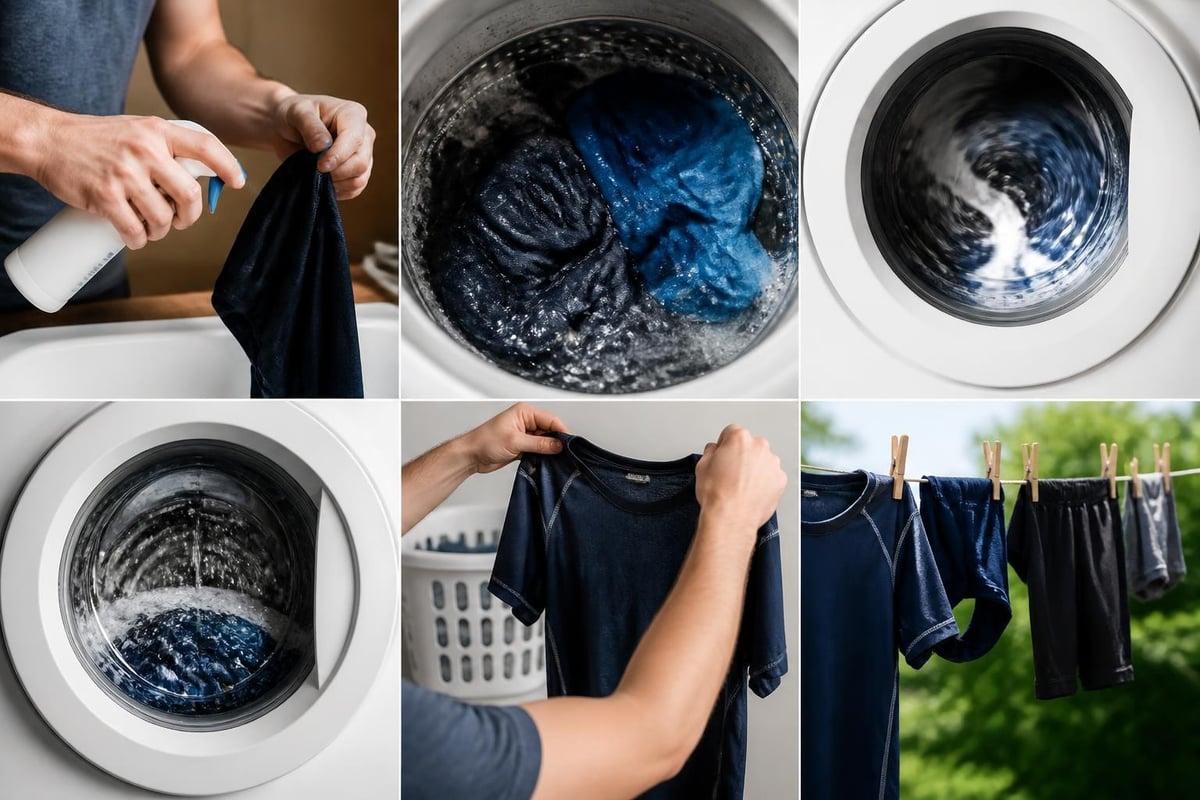
Never leave sweaty clothes in your gym bag. Bacteria multiply rapidly in damp, dark environments. As soon as possible after your workout:
- Remove clothing from your bag and hang to air dry
- Turn garments inside-out where most sweat accumulation occurs
- Pre-soak heavily soiled items in cool water with detergent
- Apply enzyme-based stain remover to problem areas
Nike's research on eliminating sweat odors confirms that immediate attention to post-workout clothing significantly reduces bacterial colonization and persistent odor development.
Water Temperature Considerations
Cold water washing preserves elastic fibers and prevents shrinkage in synthetic materials. Modern enzyme-based detergents activate effectively in cold water while delivering thorough cleaning. Hot water can set protein stains and damage technical fabric coatings.
However, occasional warm water cycles (not exceeding 104°F) help eliminate stubborn bacteria populations. Reserve this approach for particularly odorous loads rather than routine washing.
Loading and Cycle Selection
- Avoid overloading your washing machine; clothes need space to agitate properly
- Use the delicate or permanent press cycle to reduce wear on elastic fibers
- Select extra rinse cycles to remove all detergent residue
- Skip fabric softener entirely as it coats fibers and reduces moisture-wicking capability
Athletes who train regularly often accumulate significant amounts of workout gear. Exploring efficient storage solutions helps manage athletic clothing between wash cycles, especially in smaller living spaces.
Advanced Odor Elimination Techniques
Some workout clothes develop such persistent odors that standard washing proves insufficient. Understanding advanced treatment methods can rescue seemingly ruined athletic apparel.
The Science Behind Stubborn Odors
Research on odor retention in athletic fabrics reveals that bacteria can become embedded so deeply in synthetic fibers that regular washing cannot reach them. These microorganisms form biofilms that protect them from standard cleaning agents.
When clothing smells fresh from the washer but develops odor as soon as you start sweating, residual bacteria populations are reactivating. The heat and moisture from exercise provide ideal conditions for rapid bacterial reproduction.
Vinegar and Baking Soda Treatments
While these household items can help, they work best as complementary treatments rather than replacements for quality detergent. White vinegar (one cup added to the rinse cycle) helps dissolve mineral deposits and soap residue. Baking soda (half cup added to the wash cycle) neutralizes acidic odors.
Important: Never mix vinegar and baking soda directly, as they neutralize each other. Use them in separate cycles or different parts of the same cycle.
Enzyme Soaking Method
For severely affected garments:
- Fill a basin with cool water
- Add double the recommended amount of enzyme-based laundry soap for workout clothes
- Submerge garments completely
- Allow 4-8 hours of soaking time
- Wash normally with fresh detergent
This extended enzyme exposure time allows biological catalysts to thoroughly break down embedded proteins and oils. The technique proves particularly effective for compression gear and high-performance athletic wear.
Special Considerations for Different Athletic Activities
Not all workouts create equal laundry challenges. Tailoring your approach based on activity type ensures optimal results.
High-Intensity Training and CrossFit
These activities produce maximum sweat output in minimal time. Clothing worn during HIIT workouts benefits from immediate post-exercise treatment. Consider keeping a spray bottle with diluted enzyme detergent at your home gym for instant application before garments dry.
Athletes engaged in intense training regimens, similar to those using precision-crafted sports equipment, understand the importance of maintaining their gear properly. Just as tennis players care for their racquets, fitness enthusiasts must maintain their workout clothing.
Yoga and Pilates
While lower-intensity activities produce less sweat volume, close-contact mat work exposes clothing to different challenges. Studios may not clean mats thoroughly between sessions, introducing external bacteria to your apparel. Washing yoga clothes after every session prevents bacterial transfer and maintains hygiene.
Running and Outdoor Athletics
Outdoor activities add environmental factors like pollen, dust, and pollution to sweat-based challenges. Road grime and environmental allergens require different cleaning approaches than gym workouts. Expert laundry tips for various fabric types help address these multi-faceted cleaning challenges.
Consider separate wash loads for outdoor versus indoor athletic wear to prevent cross-contamination and optimize cleaning agent effectiveness.

Environmental Impact and Sustainability
Eco-conscious athletes face a challenge: maintaining performance apparel while minimizing environmental footprint. Fortunately, modern formulations make this balance achievable.
Biodegradable and Plant-Based Options
Today's eco-friendly laundry soaps for workout clothes match or exceed conventional products in cleaning power. Plant-derived enzymes and surfactants deliver excellent results without petroleum-based ingredients. Biodegradable formulations break down safely in water treatment systems, reducing aquatic ecosystem impact.
Key certifications to look for:
- EPA Safer Choice
- USDA Certified Biobased Product
- Leaping Bunny (cruelty-free)
- Environmental Working Group (EWG) verified
Laundry Labs' commercial-grade products demonstrate that sustainability and performance can coexist in modern detergent formulations.
Concentrated Formulas and Packaging Reduction
Concentrated detergents require less packaging material and reduce transportation emissions. Capsule formats eliminate measuring waste and prevent overuse. A single capsule delivers precisely calibrated cleaning power, ensuring you never use more product than necessary.
Bulk purchasing options further reduce packaging waste while offering cost savings for athletes who wash workout clothes frequently. Some families find that sustainable practices extend beyond laundry to caring for household pets with natural products as well.
Protecting Specialized Athletic Fabrics
Modern workout clothes represent significant investment in advanced textile technology. Proper care extends garment lifespan while maintaining performance characteristics.
Compression Wear and Spandex Blends
Compression garments require extra gentle treatment. These tight-weave fabrics use high spandex content that degradation from harsh chemicals or excessive heat. Always wash compression wear in cold water using detergents specifically formulated for delicates.
Never use chlorine bleach on compression garments. Even oxygen-based bleaches should be used sparingly and only when absolutely necessary. The elastic fibers that provide compression benefits break down rapidly when exposed to harsh oxidizing agents.
Moisture-Wicking and Technical Fabrics
Fabrics engineered with moisture-management technology feature special coatings or fiber structures. These treatments pull sweat away from skin and promote rapid evaporation. Unfortunately, fabric softeners, dryer sheets, and some detergent additives coat these fibers and neutralize their function.
Stick with detergents that explicitly state compatibility with technical fabrics. Understanding proper detergent usage prevents accidental damage to expensive performance apparel.
Reflective Elements and Safety Features
Many running and cycling clothes incorporate reflective strips or patterns for low-light visibility. Harsh chemicals can degrade these safety features over time. Gentle, pH-balanced detergents preserve reflective coatings while still eliminating odors and stains.
Drying Methods That Preserve Athletic Wear
The drying process affects garment longevity as much as washing. Many athletes unknowingly damage their workout clothes during the drying phase.
Air Drying Advantages
Line drying or flat drying represents the gentlest approach for athletic apparel. This method:
- Eliminates heat damage to elastic fibers
- Prevents shrinkage in synthetic blends
- Reduces energy consumption
- Extends overall garment lifespan
Position clothes away from direct sunlight to prevent UV-related color fading. Indoor drying racks work well, especially in climate-controlled environments. For those maintaining multiple sets of workout gear, efficient home organization systems streamline the care process.
Machine Drying Guidelines
When time constraints require machine drying:
- Use the lowest heat setting available
- Remove garments while slightly damp to finish air drying
- Clean the lint filter before every load
- Avoid overcrowding the dryer
- Never use dryer sheets on technical fabrics
| Drying Method | Heat Level | Fabric Safety | Energy Use | Time Required |
|---|---|---|---|---|
| Line Dry | None | Excellent | Minimal | 4-24 hours |
| Flat Dry | None | Excellent | Minimal | 6-24 hours |
| Low Heat Tumble | Low | Good | Moderate | 30-45 min |
| High Heat Tumble | High | Poor | High | 20-30 min |
Frequency and Timing Considerations
How often should you wash workout clothes? The answer depends on several factors including activity intensity, personal sweat rate, and fabric composition.
After Every Wear vs. Strategic Washing
Clothes that contact skin directly during sweaty activities require washing after each use. This includes sports bras, compression shorts, socks, and base layers. Bacteria and sweat accumulation make rewearing these items unsanitary and potentially harmful to skin health.
Outer layers like hoodies, track pants, or lightweight jackets worn over other clothing may withstand 2-3 uses before washing, provided they didn't absorb significant sweat. Use your judgment based on smell tests and visible soil.
Research on removing strong odors from clothes confirms that prompt washing after exercise prevents bacterial colonization that becomes increasingly difficult to eliminate over time.
Seasonal Adjustments
Summer workouts produce more sweat volume than winter training, potentially requiring additional pre-treatment or stronger detergent concentrations. Conversely, cold-weather gear layering means outer shells may require less frequent washing than base layers.
Track your washing patterns and adjust laundry soap for workout clothes usage based on seasonal demands and activity levels.
Common Mistakes to Avoid
Even with quality detergent, certain practices undermine cleaning effectiveness and damage athletic apparel.
Using too much detergent ranks among the most common errors. Excess soap creates residue that traps bacteria and odors rather than eliminating them. Modern concentrated formulas require less product than you might expect. Follow dosage instructions precisely.
Mixing athletic wear with heavily soiled items like work clothes or muddy jeans prevents proper cleaning. Workout clothes benefit from dedicated loads where all items share similar fabric types and soil levels.
Ignoring garment care labels leads to avoidable damage. Manufacturers test their products and provide specific guidance. When labels conflict with general advice, trust the manufacturer's instructions.
Delaying washing allows bacteria populations to establish themselves deeply in fabric structures. The longer contaminated clothing sits, the harder odor removal becomes.
Building an Effective Athletic Laundry Routine
Consistency transforms athletic clothing care from a chore into an efficient system. Athletes maintaining active lifestyles benefit from streamlined processes.
Essential Supply List
Stock these items for comprehensive workout clothing care:
- High-quality enzyme-based laundry soap for workout clothes
- White vinegar for periodic deep cleaning
- Mesh laundry bags for delicate items
- Drying rack or clothesline
- Spray bottle for pre-treatment solution
- Dedicated hamper for workout clothes only
Weekly Schedule Template
For regular exercisers (4-6 workouts per week):
- Monday/Thursday: Main workout clothing loads
- Sunday: Specialty items (compression gear, sports bras)
- As needed: Spot treatment for stained items
For daily athletes:
- Establish a same-day washing routine after evening workouts
- Keep 7-10 days of workout clothing in rotation
- Consider investing in commercial-grade solutions designed for frequent laundering demands
Integration With Overall Fitness Lifestyle
Proper garment care extends beyond just cleanliness. It connects to broader wellness practices and equipment maintenance. Athletes who invest in quality gear, whether workout clothes or sustainable swimwear for pool training, recognize that proper care protects their investment.
The discipline required for consistent laundry routines mirrors the commitment necessary for fitness progress. Just as athletes pursue continuous improvement in their sport, maintaining workout clothing reflects dedication to excellence in all aspects of athletic life.
Cost-Benefit Analysis
Quality laundry soap for workout clothes costs more upfront than generic detergents, but the investment pays dividends:
- Extended garment lifespan reduces replacement costs
- Maintained performance properties preserve your investment in technical fabrics
- Improved hygiene supports skin health and prevents odor-related embarrassment
- Time savings from more effective cleaning reduces rewashing
Calculate your current spending on workout clothing replacement. Proper care could reduce these costs by 30-50% annually while maintaining garment performance throughout their extended lifespan.
Maintaining fresh, clean workout clothes requires specialized attention that standard laundry products cannot provide. Understanding the unique challenges of athletic apparel-from synthetic fabric properties to bacterial odor development-empowers you to make informed decisions about cleaning products and methods.
Whether you're a casual gym-goer or dedicated athlete, investing in proper laundry soap for workout clothes protects your gear investment while ensuring confidence during every training session.
Laundry Labs offers powerful, eco-friendly solutions specifically designed to tackle the toughest athletic wear challenges, combining commercial-grade cleaning power with sustainability in convenient capsule formulations that simplify your laundry routine.
